


The Hidden Danger No One Talks About
For years, leaders, HR professionals, and psychologists have treated emotional intelligence as the ultimate competitive advantage.
Hire for EQ.
Promote empathy.
Build emotionally intelligent teams.
That has been the doctrine.
And for the most part—it works.
But here’s the problem.
No one talks about the downside.
It is a tool.
And like any powerful tool, it can be used to build—or to control.
The Rise of the Dark Empath
There is a growing psychological profile that challenges everything we thought we knew about empathy:
The individual who can read emotions with surgical precision…
but chooses to use that insight for influence, manipulation, and control.
This is the dark empath.
Unlike traditional manipulators, they don’t rely on force, intimidation, or dominance.
They rely on understanding.
They don’t break people.
They decode them.
Why This Matters for Leaders and Organizations
In modern workplaces, the most dangerous individuals are no longer the loudest, most aggressive personalities.
They are often:
- The most likable
- The most socially intelligent
- The most “empathetic.”
They are the ones who:
- Build trust quickly
- Navigate office politics effortlessly
- Seems to “understand everyone.”
And yet—over time—they leave behind:
- Confused teams
- Burned-out high performers
- Invisible power structures
This is why dark empathy traits are not just a psychological curiosity
They are a leadership risk factor.
The Evolution of Emotional Intelligence
To understand this phenomenon, we need to update an outdated assumption:
Empathy ≠ Morality
High emotional intelligence does not guarantee ethical behavior.
In fact, when combined with traits from the Dark Triad personality—such as narcissism, Machiavellianism, and psychopathy—it can create something far more sophisticated:
A person who understands emotions deeply…
But it is not governed by them.
The Core Idea: Empathy Without Restraint
At its core, dark empathy is not about lacking emotion.
It’s about controlling it.
A dark empath can:
- Feel what you feel
- Understand why you feel it
- Predict how you will act
And then make a decision:
“Do I use this to help—or to gain leverage?”
That decision is what separates ethical influence from covert manipulation.
What You’ll Learn in This Guide
This is not just a theoretical article.
This is a high-level field guide designed for leaders, HR professionals, and high performers.
Inside, you’ll learn:
- The neuroscience behind dark empathy
- The difference between healthy empathy and manipulative empathy
- The exact tactics used in covert manipulation
- How dark empaths operate in organizations
- How to detect them using behavioral signals—not gut feelings
- How to protect yourself and your team
- And most importantly, how to use emotional intelligence ethically
A Necessary Shift: From Blind Empathy to Strategic Discernment
The modern workplace doesn’t need less empathy.
It needs smarter empathy.
Because the future of leadership is not just about understanding people.
It’s about understanding how that understanding is used.
What Is Dark Empathy? (The Science Behind the Paradox)
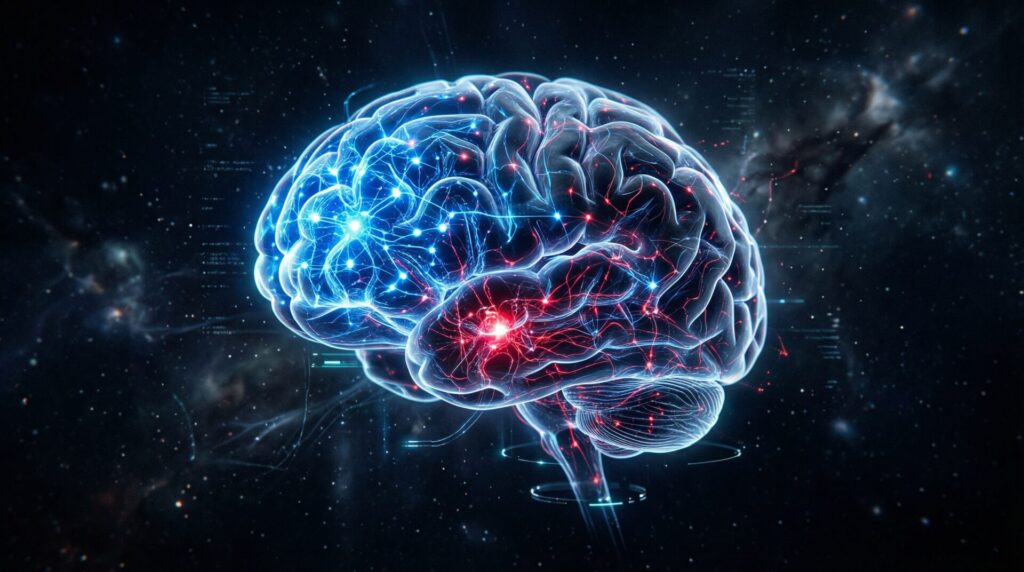
Cognitive vs Affective Empathy — The Critical Divide
Empathy is often treated as a single human ability.
In reality, it is a dual-system process—one that can be separated, amplified, and strategically controlled.
At its core, empathy operates through two distinct mechanisms.
Cognitive empathy is the ability to understand another person’s thoughts, intentions, and emotional state. It allows you to read people accurately, anticipate reactions, and navigate social complexity. This ability is closely tied to Theory of Mind—our capacity to model other people’s inner worlds.
Affective empathy, by contrast, is the ability to feel what others feel. It creates emotional resonance. When someone suffers, you experience a version of that suffering internally. This is what typically prevents manipulation—it introduces emotional cost.
In most individuals, these two systems operate together.
Understanding leads to feeling.
Feeling leads to restraint.
Dark empathy breaks that sequence.
The Dark Empathy Configuration
A dark empath does not lack empathy.
They regulate it.
They possess:
- High cognitive empathy → precise emotional awareness
- Selective affective empathy → controlled emotional response
This creates a critical imbalance.
They can step into your perspective with accuracy—but step out of your emotions without consequence.
Instead of experiencing empathy as a connection, they experience it as leverage.
They identify:
- Your insecurities
- Your motivations
- Your emotional triggers
And then decide how to use that information.
Emotional insight becomes a strategic asset—not a moral guide.
Dark Empathy vs Dark Triad Personality
To fully understand this profile, it must be placed alongside the Dark Triad personality.
This framework includes:
- Narcissism → self-focus and validation seeking
- Machiavellianism → calculated manipulation
- Psychopathy → emotional detachment
Traditionally, these traits are associated with low empathy.
Dark empaths challenge this assumption.
They retain empathy—but redirect its function.
They combine:
- Strategic thinking
- Emotional awareness
- Behavioral control
This results in a personality that is:
- Socially fluent
- Psychologically perceptive
- Operationally precise
They do not appear cold.
They appear to be deeply understanding.
Why They Are Harder to Detect
Most people are trained to recognize manipulation through obvious signals:
- Dominance
- aggression
- emotional coldness
Dark empaths avoid all of these.
They:
- Build trust quickly
- Mirror emotions accurately
- Create psychological safety
Their manipulation is not forceful.
It is subtle, calibrated, and invisible.
They don’t break resistance.
They dissolve it.
The Brain of a Dark Empath
This pattern reflects how emotional and cognitive systems interact at a neurological level.
The Prefrontal Cortex — Strategic Control
The prefrontal cortex governs planning, regulation, and decision-making.
In dark empaths, it enables:
- Emotional suppression
- Strategic interpretation
- Controlled behavioral output
They do not react emotionally.
They respond with intent.
The Amygdala — Detection Without Distress
The amygdala processes emotional signals such as fear and vulnerability.
In dark empaths:
- Detection remains intact
- Emotional distress is reduced
They can identify emotional signals without being influenced by them.
The Mirror Neuron System — The Cold Mirror Effect
The mirror neuron system allows the simulation of others’ emotional states.
In dark empaths:
- Simulation is precise
- Emotional involvement is optional
They reflect emotions—but do not absorb them.
The Hormonal Advantage — The “Cold Circuit”
Beyond brain structure, dark empathy is reinforced by neurochemical dynamics.
Oxytocin — Social Mapping
Oxytocin enhances emotional sensitivity and trust signals.
In dark empaths, it functions as:
- A detection amplifier
- A social calibration tool
It helps them understand people, not bond with them.
Cortisol — Emotional Stability
Cortisol regulates stress.
Dark empaths often exhibit:
- Lower emotional reactivity
- Greater composure under pressure
This allows them to remain calm in emotionally intense situations.
Testosterone — Strategic Drive
Testosterone drives:
- Dominance
- assertiveness
- goal orientation
Combined with emotional insight, it enables:
- Decisive action
- Controlled influence
- Outcome-focused behavior
The Final Scientific Insight
Dark empathy is not an absence of empathy.
It is a controlled form of empathy.
A system where:
- Understanding is maximized
- Emotion is regulated
- Behavior is strategic
It is empathy without automatic compassion.
Why This Changes Leadership Thinking
This challenges a fundamental assumption in modern leadership:
That emotional intelligence naturally leads to ethical behavior.
It does not.
It enhances influence.
And influence—without boundaries—becomes control.
The Evolutionary Advantage of Dark Empathy
The Tribal Strategist Model
To understand why dark empathy exists, we need to step outside modern workplaces and look at human evolution.
Early human survival was not just about strength.
It was about social intelligence.
In small tribal groups, leaders faced a constant dilemma:
- Maintain group cohesion
- Make difficult, often ruthless decisions
A purely empathetic leader might hesitate.
A purely ruthless leader might lose trust.
The optimal profile?
Someone who could:
- Understand people deeply
- Maintain loyalty
- Make emotionally difficult decisions without hesitation.
This is where dark empathy fits.
The ability to understand emotion—without being controlled by it—was a survival advantage.
Empathy Without Paralysis
In high-stakes environments, too much emotional resonance can become a liability.
A leader who feels everything:
- Struggles to make hard calls
- Avoids conflict
- Prioritizes harmony over survival
A dark empath operates differently.
They can:
- Recognize fear in others
- Understand emotional consequences
- But still act decisively
This creates a form of empathy without paralysis.
In evolutionary terms, this meant:
- Leading raids
- enforcing group rules
- making sacrifice decisions
Without emotional hesitation.
The Social Arms Race
As human societies evolved, so did social complexity.
With cooperation came a new problem:
Social cheating
- Individuals taking resources without contributing
- Manipulating group trust
- Exploiting emotional bonds
To counter this, humans developed advanced social detection systems.
This includes:
- Pattern recognition in behavior
- Emotional cue reading
- Intent prediction
Dark empaths represent an extreme version of this system.
They can:
- Detect deception quickly
- Identify hidden motives
- Read inconsistencies in behavior
But here’s the twist:
The same system that detects manipulation can also be used to perform it.
This creates a dual advantage:
- They are harder to deceive
- They are more effective at deception
The Dual Role: Detector and Manipulator
In evolutionary psychology, this creates a powerful position.
Dark empaths function as both:
- Internal regulators (detecting threats within the group)
- Strategic actors (manipulating outcomes when necessary)
They understand the “rules” of trust so well…So
that they can bend them without being noticed.
This is why their behavior often feels:
- Subtle
- calculated
- difficult to prove
Why These Traits Persist Today
If dark empathy has risks, why hasn’t it disappeared?
Because it still provides advantages—especially in modern systems.
Today’s environment rewards:
- Social intelligence
- influence
- strategic thinking
Not just cooperation.
In corporate settings, individuals who can:
- Read power dynamics
- Adapt behavior quickly
- influence decision-making
Often rise faster than those who rely purely on sincerity.
Modern Translation: The Corporate Strategist
The tribal strategist has evolved into the modern professional.
In organizations, dark empathy shows up as:
- High emotional awareness
- Strong interpersonal influence
- Controlled emotional expression
These individuals:
- Know exactly what to say in high-stakes conversations
- Build strategic alliances
- navigate complex hierarchies
They are rarely the loudest.
But often the most effective.
The High-Functioning Paradox
This creates a paradox for leaders and HR professionals.
The same traits that make someone:
- Persuasive
- charismatic
- socially intelligent
Also make them capable of:
- covert manipulation
- strategic exclusion
- influence without accountability
High emotional intelligence becomes a double-edged tool.
Performance vs Impact
One of the most important insights is this:
Dark empaths do not usually destroy performance.
They distort it.
In the short term, they often appear as:
- High performers
- strong communicators
- “team players”
But over time, they create:
- hidden conflict
- reduced trust
- fragmented teams
This leads to a critical imbalance:
- Individual success increases
- Collective health declines
Why Leaders Miss It
Most organizations are optimized to measure:
- Output
- KPIs
- visible behavior
They are not optimized to measure:
- relational damage
- trust erosion
- emotional manipulation
Because dark empaths operate through:
- subtle influence
- indirect control
- emotional precision
Their impact is often:
- delayed
- distributed
- difficult to trace
The Evolutionary Conclusion
Dark empathy is not a flaw in human psychology.
It is an adaptive trait.
A system designed for:
- navigating complex social environments
- balancing understanding with control
- optimizing influence in uncertain conditions
But in modern organizations, this creates a critical challenge:
The traits that help individuals rise
are not always the traits that help systems thrive.
Why This Matters Now
For leaders and HR professionals, this is not theoretical.
It is operational.
Understanding dark empathy means recognizing that:
- Emotional intelligence can be misused
- likability is not a reliable signal of integrity
- influence must be evaluated—not assumed
Dark Empath vs Narcissist vs Psychopath (Understanding the Difference)
One of the biggest challenges in identifying dark empathy is confusion.
Many people assume:
- All manipulators are narcissists
- All emotionally detached individuals are psychopaths
But dark empaths don’t fit neatly into either category.
They operate in a gray zone—combining traits from multiple profiles while appearing socially functional.
Why This Distinction Matters
For leaders and HR professionals, mislabeling the problem leads to poor decisions.
If you assume someone is:
- A narcissist → you expect arrogance
- A psychopath → you expect coldness
But a dark empath displays neither—at least not openly.
They appear:
- Cooperative
- emotionally intelligent
- socially aligned
Which makes them significantly harder to detect—and more influential.
The Core Personality Differences
Below is a simplified breakdown of how these profiles differ:
The Narcissist
Core motive: Validation and self-importance
- Seeks admiration and recognition
- Sensitive to criticism
- Often displays superiority
Empathy profile:
- Cognitive empathy → moderate
- Affective empathy → low
Behavioral pattern:
- Loud manipulation
- attention-seeking
- fragile ego masked as confidence
👉 Their weakness is visibility.
You can usually see the pattern.
The Psychopath
Core motive: Control, stimulation, and dominance
- Emotionally detached
- impulsive or risk-seeking
- low fear response
Empathy profile:
- Cognitive empathy → variable
- Affective empathy → absent
Behavioral pattern:
- Blunt manipulation
- lack of remorse
- disregard for consequences
👉 Their weakness is instability.
They often overplay their hand.
The Dark Empath
Core motive: Strategic influence and controlled advantage
- Socially skilled
- emotionally perceptive
- behaviorally calculated
Empathy profile:
- Cognitive empathy → high
- Affective empathy → selective
Behavioral pattern:
- Covert manipulation
- emotional mirroring
- subtle control mechanisms
👉 Their strength is invisibility.
They don’t trigger alarm systems.
The Key Difference: Style of Influence
The difference is not just what they do.
It’s how they do it.
- Narcissist → Dominates
- Psychopath → Overrides
- Dark Empath → Guides
A dark empath doesn’t force outcomes.
They engineer them.
They shape your perception so that:
You believe the decision was yours.
Direct vs Covert Manipulation
This is where dark empaths become uniquely dangerous.
Overt manipulation (Narcissist/Psychopath):
- Direct pressure
- intimidation
- visible control
Covert manipulation (Dark Empath):
- subtle suggestions
- emotional alignment
- indirect influence
Instead of saying:
“Do this.”
They say:
“I understand why you feel that way… but have you considered this?”
And suddenly, your perspective shifts.
Social Perception Differences
How each personality is perceived socially is critical.
- Narcissists are often seen as difficult
- Psychopaths are seen as cold or unpredictable
- Dark empaths are seen as trustworthy and insightful
This creates a dangerous advantage.
Because people don’t defend themselves against someone they trust.
The Leadership Implication
In organizational settings:
- Narcissists create visible conflict
- Psychopaths create instability
- Dark empaths create invisible influence systems
They often become:
- informal leaders
- key decision influencers
- central communication hubs
Not because of authority—
But because of emotional positioning.
The Critical Insight
Dark empaths are not the most aggressive individuals in a system.
They are the most socially intelligent.
And in modern environments, social intelligence often outweighs raw dominance.
Why This Section Matters
If you cannot distinguish between these profiles:
- You will misdiagnose behavior
- You will underestimate risk
- You will protect the wrong individuals
Understanding this difference is the first step toward:
- accurate detection
- effective leadership decisions
- cultural protection
The Emotional Intelligence Shadow Model™ (How Empathy Becomes a Weapon)
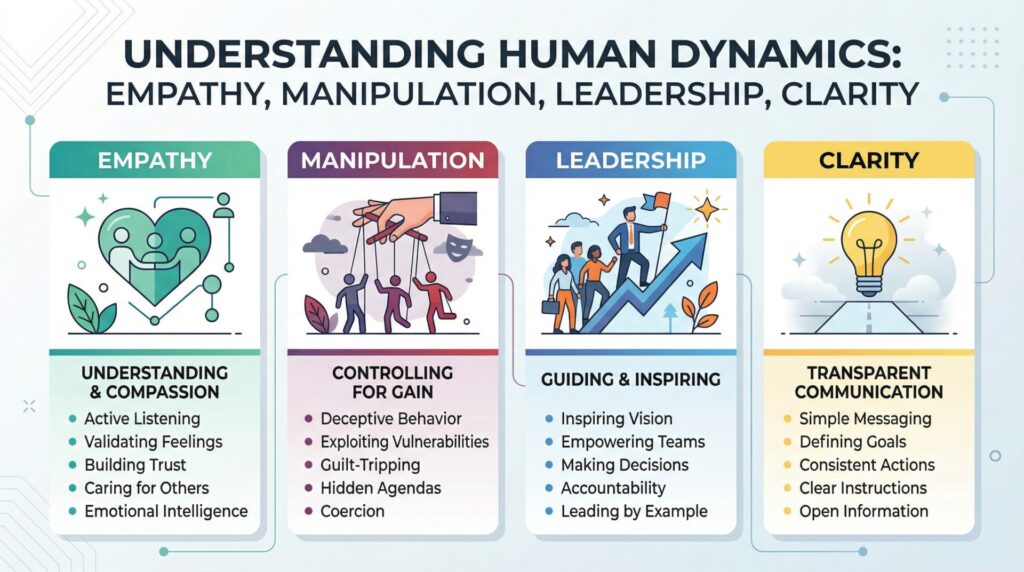
The Light Side vs The Shadow Side of Emotional Intelligence
For years, Emotional Intelligence has been framed as a purely positive trait.
It helps people:
- Build relationships
- resolve conflict
- lead effectively
But this view is incomplete.
Because every high-level human ability has two applications:
- A constructive use
- A strategic or exploitative use
Emotional intelligence is no exception.
The Light Side of Emotional Intelligence
When used ethically, emotional intelligence enables:
- Genuine connection
- Trust-building
- collaborative decision-making
A leader with high EQ uses empathy to:
- Understand team needs
- reduce stress
- improve performance
This creates alignment and growth.
The Shadow Side of Emotional Intelligence
When detached from ethics, the same ability becomes something else.
It becomes a tool for:
- Influence without transparency
- emotional leverage
- behavioral control
This is where dark empathy operates.
The same skill that builds trust
can also be used to engineer it.
The Core Principle: Empathy as a Neutral Tool
Empathy is not moral.
It is functional.
It tells you:
- What someone feels
- Why do they feel it
- How they are likely to act
What you do with that information defines the outcome.
- Use it to support → Influence
- Use it to control → Manipulation
The Precision Manipulation Loop™
Dark empaths don’t manipulate randomly.
They follow a repeatable psychological pattern.
A structured cycle that turns emotional insight into behavioral control.
Stage 1: The Scan (Emotional Detection)
They begin by observing.
Using high cognitive empathy, they identify:
- Insecurities
- unmet needs
- emotional triggers
They are not engaging yet.
They are mapping.
Stage 2: The Hook (Strategic Vulnerability)
Next, they create a connection.
Instead of dominating, they:
- Share a curated personal story
- display controlled vulnerability
- create a sense of trust
This triggers psychological reciprocity.
You feel safe opening up.
Stage 3: The Mirror (Emotional Alignment)
They begin reflecting your internal state.
- Your values
- your fears
- your aspirations
This creates the illusion of:
- deep understanding
- rare connection
- emotional compatibility
This is where most people become psychologically invested.
Stage 4: The Pivot (Subtle Influence)
Once trust is established, direction begins to shift.
They use your own emotional patterns to:
- guide decisions
- reframe situations
- introduce doubt or dependency
The manipulation is not forceful.
It is suggestive and calibrated.
Stage 5: The Harvest (Control & Maintenance)
Finally, control is maintained through:
- intermittent validation
- withdrawal of attention
- emotional reinforcement
This creates a cycle where:
- Approval feels earned
- Disapproval feels destabilizing
The result is emotional dependency.
Covert vs Overt Manipulation
This model explains a critical difference.
Overt Manipulation (Visible)
Used by more obvious personalities.
- Direct pressure
- clear dominance
- visible intent
You feel controlled.
Covert Manipulation (Invisible)
Used by dark empaths.
- indirect influence
- emotional alignment,
- hidden intent
You feel understood.
And that’s the difference.
Overt manipulation breaks resistance.
Covert manipulation dissolves it.
Why This Model Matters
Most people believe manipulation looks like aggression.
It doesn’t.
At the highest level, it looks like:
- empathy
- support
- understanding
This is what makes dark empathy so effective.
The Leadership Implication
For leaders and HR professionals, this changes how influence must be evaluated.
It is no longer enough to ask:
- “Is this person effective?”
- “Are they well-liked?”
The real question becomes:
“How are they achieving that influence?”
Because the same emotional intelligence that builds strong teams…
Can also quietly control them.
The Strategic Insight
The Emotional Intelligence Shadow Model™ reveals a fundamental truth:
The more accurately someone can read emotions,
the more precisely they can shape behavior.
This is not inherently negative.
But without ethical boundaries—
It becomes one of the most powerful tools of covert manipulation.
Dark Empathy Traits (Key Behavioral Signs You Must Recognize)

The Paradox of Dark Empathy Traits
Dark empaths are not easy to identify because their traits don’t appear negative on the surface.
In fact, many of their behaviors are often praised:
- “They really understand people.”
- “They’re incredibly emotionally intelligent.”
- “They’re easy to talk to.”
And that’s exactly the problem.
Their traits are not obviously harmful—they are functionally impressive but strategically misused.
Dark empathy traits are not about what is visible.
They are about what is happening underneath.
Weaponized Cognitive Empathy
This is the defining trait.
They possess an advanced ability to:
- Read emotional states
- interpret behavior patterns
- predict reactions
But instead of using this to support others, they use it to:
- identify leverage points
- anticipate resistance
- shape outcomes in their favor
They don’t just understand you.
They profile you.
Strategic Vulnerability
Most people open up to build a connection.
Dark empaths open up to create access.
They will:
- Share a personal struggle
- reveal a controlled weakness
- appear emotionally authentic
This lowers your guard.
And creates a subtle psychological contract:
“I shared something real with you—you should do the same.”
Once you reciprocate, they gain valuable insight into your emotional structure.
Emotional Mirroring at High Precision
Mirroring is a natural human behavior.
Dark empaths refine it.
They don’t just mirror:
- tone
- body language
- interests
They mirror:
- emotional wounds
- values
- internal narratives
This creates the feeling of:
- “This person truly gets me.”
- “I’ve never felt understood like this before.”
Which accelerates trust far beyond normal levels.
Cognitive Gaslighting
Unlike crude manipulation, dark empaths use intelligent distortion.
They don’t say:
“You’re wrong.”
They say:
“I understand why you feel that way… but your perspective might be influenced by [your insecurity].”
This reframes your perception without directly attacking it.
Over time, this leads to:
- self-doubt
- reliance on their interpretation
- erosion of independent judgment
Malicious Validation
This is one of the most subtle and dangerous traits.
Instead of challenging harmful behavior, they:
- Validate your anger
- support your worst impulses
- encourage emotional reactions
But not for your benefit.
For control.
By reinforcing your emotional extremes, they:
- isolate you from others
- make themselves your primary “support system.”
- increase dependency
Intermittent Reinforcement (Love-Bombing and Withdrawal)
Dark empaths understand emotional reward cycles.
They create patterns of:
- intense attention and validation
- followed by sudden distance or withdrawal
This creates a psychological loop:
- You seek the “high” of their approval
- You work to regain their attention
- You become emotionally invested
This is not random.
It is behavioral conditioning.
Social Triangulation
They rarely confront directly.
Instead, they position themselves between people.
They will:
- share selective information
- frame narratives differently for each person
- act as the “bridge” between conflicting parties
This allows them to:
- control information flow
- influence perceptions
- maintain central authority
Without appearing responsible for the conflict.
The “Shadow Confidant” Role
Dark empaths often become the person everyone trusts.
They:
- listen deeply
- remember details
- provide emotional support
But this role has a hidden function.
It gives them access to:
- private insecurities
- interpersonal dynamics
- sensitive information
Which can later be used to:
- influence decisions
- shift alliances
- maintain control
Malicious Humor and Subtle Undermining
They often use humor as a shield.
- Sarcasm
- subtle jabs
- “Just joking,” comments
These remarks are:
- targeted
- intentional
- deniable
If challenged, they respond with:
“You’re overthinking it.”
This allows them to undermine others without accountability.
The Upward vs Downward Empathy Split
One of the most important patterns—especially in leadership.
Dark empaths often display:
- High empathy toward superiors
- selective or reduced empathy toward peers and subordinates
This creates:
- strong reputation at the top
- hidden dysfunction below
To leadership, they appear exceptional.
To those beneath them, they feel calculated.
The Key Pattern to Watch
Individually, these traits may seem harmless.
Even positive.
But together, they form a pattern:
- High emotional awareness
- Strategic behavior
- selective compassion
It is not what they do once.
It is what they do consistently.
Why These Traits Are Often Missed
Most people evaluate others based on:
- intent
- tone
- likability
Dark empaths optimize all three.
This makes their behavior difficult to question.
Because challenging them often feels like:
- doubting a “good” person
- overreacting
- misinterpreting intent
The Critical Insight
Dark empathy traits are not loud.
They are precise, adaptive, and context-aware.
They evolve based on:
- who you are
- What you need
- What you respond to
Which makes them highly effective—and difficult to detect without awareness.
How Dark Empaths Manipulate (Step-by-Step Behavioral Breakdown)
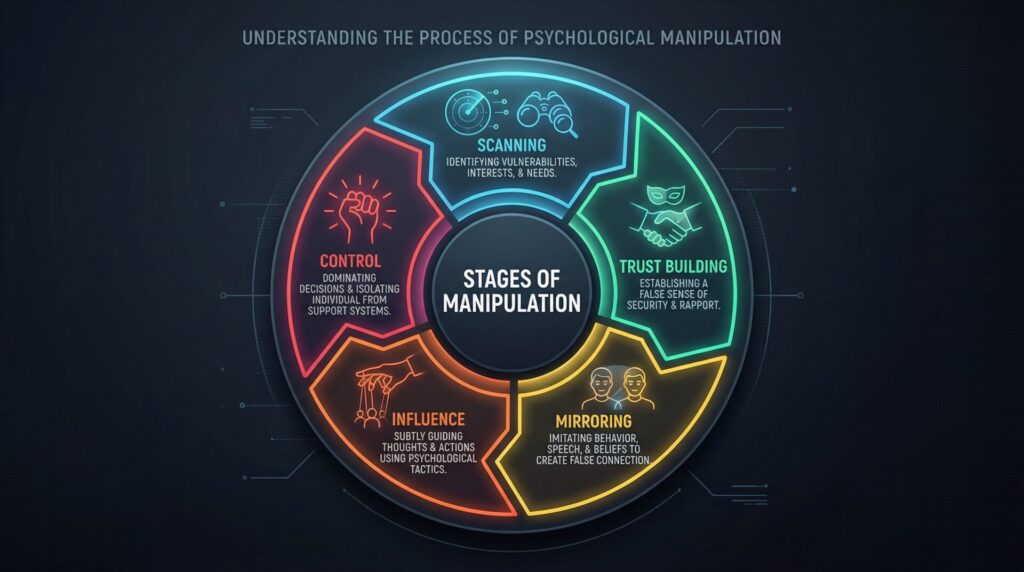
The Illusion of Natural Interaction
Most people believe manipulation is chaotic or impulsive.
In reality, high-level manipulation—especially by dark empaths—is structured, deliberate, and repeatable.
It doesn’t feel like manipulation.
It feels like:
- connection
- understanding
- alignment
That’s what makes it effective.
You don’t feel controlled.
You feel understood.
The Precision Manipulation Process
Dark empaths follow a predictable psychological sequence.
Once you understand this process, their behavior becomes easier to recognize—and interrupt.
Stage 1: Emotional Scanning (Detection Phase)
Every interaction begins with observation.
They are not just listening to your words.
They are analyzing:
- tone shifts
- micro-expressions
- emotional inconsistencies
They identify:
- insecurity triggers
- validation needs
- emotional vulnerabilities
At this stage, they are not influencing yet.
They are building a psychological profile.
Stage 2: Trust Engineering (The Hook)
Once they identify emotional entry points, they initiate connection.
But not randomly.
They use strategic vulnerability.
They might:
- share a personal struggle
- reveal a controlled weakness
- express “deep understanding.”
This creates:
- rapid trust
- emotional reciprocity
- lowered defenses
You begin to feel:
“This person gets me.”
Stage 3: Emotional Mirroring (The Bond)
Now they intensify the connection.
They begin mirroring:
- your beliefs
- your emotional patterns
- your worldview
This creates a powerful illusion:
- similarity
- compatibility
- psychological alignment
This is where the bond feels strongest.
And where most people stop questioning.
Stage 4: Subtle Influence (The Pivot)
Once trust is established, the direction changes.
This shift is almost invisible.
They begin to:
- reframe your thoughts
- guide your decisions
- introduce alternative interpretations
But instead of forcing outcomes, they:
- suggest
- imply
- align
It feels like your own thinking.
But it has been influenced.
Stage 5: Emotional Conditioning (The Control Phase)
This is where control is established.
They begin using intermittent reinforcement:
- periods of validation and support
- followed by withdrawal or distance
This creates a loop:
- You seek their approval
- You adjust your behavior to regain it
- You become emotionally dependent
The dynamic shifts from connection to control.
Stage 6: Maintenance Through Confusion
Once influence is established, they maintain it through subtle instability.
They introduce:
- mixed signals
- emotional inconsistency
- selective attention
This keeps you:
- uncertain
- engaged
- seeking clarity
And when you seek clarity…
You return to them.
The Hidden Mechanism: Control Without Force
The defining feature of dark empath manipulation is this:
They do not remove your autonomy.
They reshape it.
You still make decisions.
But those decisions are:
- emotionally influenced
- contextually framed
- strategically guided
The control is indirect—but highly effective.
Why This Process Works
This method is powerful because it aligns with how humans naturally operate.
We trust:
- people who understand us
- people who validate us
- people who feel familiar
Dark empaths leverage all three.
They don’t break psychological rules.
They use them better than others.
Covert vs Overt Manipulation (Revisited)
This process highlights the difference clearly.
Overt manipulation:
- Visible pressure
- direct commands
- emotional force
Covert manipulation:
- subtle influence
- emotional alignment
- invisible direction
One triggers resistance.
The other bypasses it.
The Leadership Implication
In organizational settings, this process becomes even more dangerous.
Because it operates under the guise of:
- mentorship
- support
- leadership
A dark empath leader doesn’t say:
“Do this because I said so.”
They say:
“I understand your situation… and this might be the best path for you.”
And that is far more powerful.
The Critical Insight
Once you understand this sequence, you stop asking:
- “Is this person manipulative?”
And start asking:
“Where am I in their process?”
Because manipulation is not a moment.
It is a progression.
Early vs Late Detection
Most people recognize manipulation at the final stage, when:
- They feel dependent
- confused
- emotionally drained
But by then, the system is already in place.
The real advantage comes from identifying:
- the scanning phase
- the trust-building phase
Before control is established.
Why Awareness Changes Everything
Dark empath manipulation relies on one key factor:
unconscious participation
The moment you become aware of the pattern:
- The illusion weakens
- The influence reduces
- The control breaks
Because their strategy depends on you not recognizing it.
The Bottom Line
Dark empaths don’t manipulate through force.
They manipulate through:
- precision
- timing
- emotional intelligence
And the more subtle the method…
The more powerful the outcome.
Dark Empathy in Leadership & Organizations (Where It Becomes Dangerous)

The Shift from Individual Behavior to Systemic Impact
Up to this point, dark empathy may seem like an interpersonal issue.
It’s not.
In organizational environments, it becomes a system-level risk.
Because when someone with high emotional intelligence uses it strategically rather than ethically, the impact scales.
It affects:
- decision-making
- team dynamics
- organizational culture
Dark empathy doesn’t just influence people.
It reshapes systems.
Because when emotional intelligence is used strategically—not ethically—the impact scales across teams and culture.
The Three Faces of Dark Empathy in the Workplace
Dark empathy does not appear the same in every role.
It adapts based on position, power, and incentive.
The High-Functioning Corporate Manipulator
This is often the most recognizable form.
The individual is:
- high-performing
- politically aware
- socially skilled
They understand the organization beyond formal structures.
They map:
- power hierarchies
- influence networks
- decision pathways
And then operate within them strategically.
How They Operate
- Build strong relationships with leadership
- position themselves as indispensable
- subtly undermine potential competitors
They rarely attack directly.
Instead, they:
- control perception
- shape narratives
- influence outcomes behind the scenes
The Covert Leader (The “Empathetic Authority”)
This profile is more dangerous.
Because they appear to embody everything organizations value.
They are seen as:
- emotionally intelligent
- supportive
- people-focused
They lead through connection rather than authority.
The Hidden Mechanism
They use emotional insight to:
- build deep loyalty
- gather personal information
- create psychological dependence
Employees feel:
- understood
- supported
- aligned
But over time, they become:
- dependent on approval
- hesitant to challenge
- emotionally tied to the leader
The Social Gatekeeper (The Informal Power Center)
This individual may not hold formal authority.
But they hold social control.
They become:
- the person everyone confides in
- the “translator” between teams
- the center of informal communication
The Influence Strategy
They:
- manage information flow
- shape perceptions between individuals
- create subtle divisions
This allows them to:
- maintain relevance
- control narratives
- influence outcomes indirectly
The Hidden Cost of High-EQ Toxicity
Dark empathy doesn’t destroy organizations immediately.
It degrades them slowly.
Often invisibly.
Collapse of Psychological Safety
In healthy environments, people:
- share ideas
- challenge decisions
- take risks
Under dark empath influence:
- Ideas are subtly dismissed
- Risk feels unsafe
- expression becomes filtered
Employees begin to think:
“Maybe I shouldn’t say this.”
Not because of direct fear—
But because of social calibration.
Silent Attrition (The Talent Drain)
Dark empaths rarely force people out.
They make environments emotionally unsustainable.
High-integrity employees:
- sense inconsistency
- feel undermined
- lose trust
But cannot clearly explain why.
So they leave quietly.
What Remains
- compliant individuals
- low-resistance personalities
- politically adaptive employees
The organization loses:
- critical thinkers
- independent voices
- long-term contributors
Innovation Suppression
Innovation depends on:
- open communication
- idea exchange
- psychological safety
Dark empaths disrupt all three.
They create:
- information bottlenecks
- selective communication
- controlled feedback loops
Ideas that threaten their position are:
- delayed
- reframed
- quietly dismissed
The Performance Distortion Effect
One of the most dangerous aspects is this:
Dark empaths often look like top performers.
They:
- hit targets
- communicate effectively
- maintain strong visibility
But their success comes with a hidden cost.
Short-Term Reality
- High output
- strong influence
- positive perception from leadership
Long-Term Reality
- team burnout
- trust erosion
- reduced collaboration
They don’t destroy performance.
They distort it.
Why Organizations Fail to Detect It
Most organizations measure:
- KPIs
- productivity
- visible outcomes
They do not measure:
- relational health
- trust dynamics
- emotional influence
Because dark empathy operates through:
- subtle behavior
- indirect impact
- distributed consequences
The damage is real—
but difficult to quantify.
The Leadership Blind Spot
Leaders often reward:
- confidence
- communication skills
- emotional intelligence
These are the exact traits dark empaths excel in.
This creates a blind spot:
The individuals most capable of manipulation
are often the most trusted.
The System-Level Risk
When dark empathy goes unchecked, it creates:
- hidden hierarchies
- influence without accountability
- culture built on perception—not reality
Over time, this leads to:
- reduced transparency
- increased politics
- Weakened organizational integrity
The Critical Insight for Leaders
Dark empathy forces a shift in leadership thinking.
It is no longer enough to ask:
- “Is this person effective?”
- “Are they well-liked?”
The real question is:
“What is the relational impact of their presence?”
Because leadership is not just about results.
It is about how those results are achieved.
The Bottom Line
Dark empathy becomes dangerous when:
- influence is unchecked
- empathy is unexamined
- outcomes are valued over process
Organizations that fail to recognize this:
- reward the wrong behaviors
- protect the wrong individuals
- and weaken their own culture over time
The Relational Risk Index™ (How to Detect Dark Empaths in the Workplace)
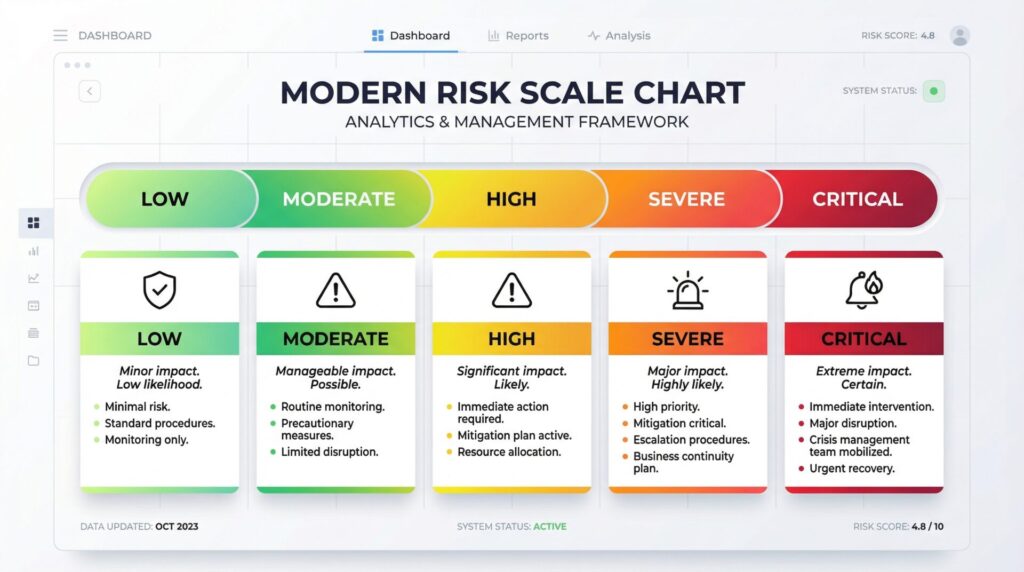
From Intuition to Structured Detection
One of the biggest mistakes organizations make is relying on gut feeling to assess people.
- “Something feels off…”
- “I can’t explain it, but…”
That’s not enough.
Dark empaths operate precisely in that gray zone—where behavior feels wrong but looks right.
What’s needed is not intuition.
It’s a structured detection model.
The goal is not to label people.
The goal is to identify relational risk.
What the Relational Risk Index™ Measures
The Relational Risk Index™ (RRI) is designed to measure a specific gap:
The difference between social presence and social impact
In simple terms:
- How someone appears
vs - What their presence actually does to people around them
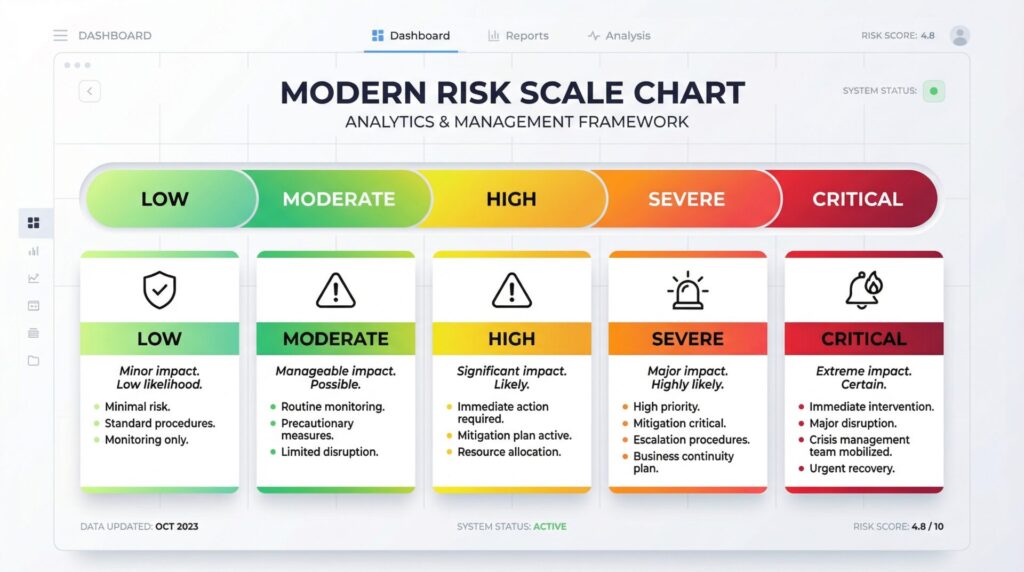
The Risk Spectrum
The RRI places individuals on a scale from low to critical risk.
Low Risk (1–3) — The Cultural Multiplier
- High transparency
- empathy used to empower
- builds team autonomy
These individuals:
- develop others
- share credit
- strengthen culture
Moderate Risk (4–6) — The Tactical Careerist
- Uses empathy for networking
- adapts behavior upward
- limited negative impact
They are:
- strategic
- self-focused
- but not actively harmful
High Risk (7–8) — The Strategic Extractor
- Controls information flow
- creates dependency
- shows selective empathy
Teams around them often show:
- confusion
- fragmentation
- quiet disengagement
Critical Risk (9–10) — The Dark Empath
- Weaponized emotional intelligence
- covert manipulation
- strong influence, low accountability
They combine:
- strong performance
- high likability
- and hidden relational damage
The Three Diagnostic Pillars
The RRI is built on three weighted behavioral signals.
These are not based on personality claims—but observable patterns.
Empathy Inversion (Weight: 40%)
This is the most important indicator.
It measures how empathy is distributed across the hierarchy.
What to Look For
- High empathy toward superiors
- reduced or selective empathy toward subordinates
The Signal
A significant gap between:
- How leadership perceives them
- how their team experiences them
If they are seen as:
- “exceptionally empathetic” by leadership
but - “calculated or inconsistent” by their team
That is a high-risk pattern.
Confidant-to-Conflict Ratio (Weight: 30%)
This measures how information and relationships are managed.
What to Look For
- They know everyone’s personal struggles
- Yet those same individuals experience ongoing tension
The Signal
They are:
- the “trusted listener.”
but also - present in the background of multiple conflicts
This suggests triangulation.
They are not resolving issues.
They are positioning themselves within them.
Succession Vacuum (Weight: 30%)
This measures long-term impact on team growth.
What to Look For
- High-performing teams
- but low internal promotions
The Signal
Their team members:
- do not grow
- do not advance
- or leave the organization
This indicates:
- dependency creation
- control over development
- lack of genuine mentorship
The 360-Degree Reality Check
Dark empaths often “pass” traditional evaluations.
Why?
Because most assessments rely on self-reporting or upward feedback.
To counter this, organizations must look for:
- asymmetry in feedback
- inconsistencies across levels
- relational patterns—not isolated comments
The Key Question
Does this person’s reputation change depending on who you ask?
If yes—
That is not noise.
That is data.
Behavioral Audits vs Personality Tests
Psychometric tools can be useful.
But they have limitations.
A dark empath, with high cognitive empathy, can often:
- anticipate “correct” answers
- present socially desirable responses
This makes self-report assessments unreliable.
What Works Better
- Behavioral observation
- pattern tracking
- longitudinal feedback
Personality tests show intent.
Behavior reveals impact.
The HR Protocol (What to Do with the Data)
The purpose of the RRI is not immediate removal.
It is risk management.
For High Risk (7–8)
- Reduce reliance on informal communication
- document decisions and interactions
- Monitor team dynamics closely
For Critical Risk (9–10)
- Break dependency loops
- rotate team structures
- introduce transparency systems
The goal is not confrontation.
It is a system correction.
The Strategic Insight
Dark empathy thrives in environments where:
- trust is assumed
- Behavior is not audited
- outcomes outweigh process
The RRI introduces a different approach:
- trust, but verify
- observe patterns, not impressions
- Evaluate impact, not intent
Why This Changes HR Strategy
Traditional HR focuses on:
- performance metrics
- compliance
- visible conflict
The Relational Risk Index™ shifts the focus to:
- invisible influence
- emotional dynamics
- cultural sustainability
The Bottom Line
Dark empaths are not detected through:
- one conversation
- one complaint
- one evaluation
They are identified through:
- patterns
- inconsistencies
- relational impact over time
The risk is not in what they say.
It is in what happens around them.
How to Detect a Dark Empath (Practical Red Flags & Interview Strategies)
Detection Requires a Shift in Perspective
Most people try to detect manipulation by analyzing behavior at face value.
- “They seem nice.”
- “They communicate well.l”
- “They’re emotionally intelligent. nt”
That approach fails with dark empaths.
Because their strength is appearing exactly how you expect a high-functioning person to appear.
Detection requires a different lens:
Stop asking how they behave.
Start analyzing what happens around them.
The Three Levels of Detection
To accurately identify dark empathy traits, detection must occur across three levels:
- Individual behavior
- relational patterns
- environmental impact
Behavioral Red Flags (What They Do)
Individually, these signals may seem harmless.
But patterns reveal intent.
Precision Empathy Without Consistency
They demonstrate:
- deep understanding in one moment
- emotional distance in another
This inconsistency is not random.
It is selective.
Over-Calibrated Communication
They always seem to know:
- what to say
- when to say it
- How to say it
Their communication feels:
- highly effective
- but subtly rehearsed
Strategic Agreement
They rarely oppose directly.
Instead, they:
- agree first
- Then redirect subtly
This creates the illusion of alignment while shifting outcomes.
Controlled Vulnerability
They share personal stories—but in a way that:
- builds trust quickly
- avoids real exposure
- serves a strategic purpose
Relational Red Flags (What Happens Around Them)
This is where the real signals appear.
The “Different Versions” Effect
Ask multiple people about them.
You’ll often hear:
- “They’re amazing to work with.”
- “Something feels off.”
- “I don’t fully trust them.”
The inconsistency is the signal.
Confusion Without Clear Conflict
Teams around them experience:
- tension
- miscommunication
- subtle misunderstandings
But no obvious source.
This often indicates covert influence.
The Dependency Pattern
People around them:
- seek their approval
- rely on their interpretation
- hesitate to act independently
This suggests emotional positioning—not leadership.
Environmental Red Flags (What They Create)
Dark empaths don’t just influence individuals.
They shape environments.
Information Bottlenecks
They position themselves as:
- the “bridge” between people
- the central communicator
This gives them control over:
- What is shared
- how it is framed
- Who knows what
Selective Transparency
Some people receive:
- full information
Others receive: - partial or delayed insights
This creates imbalance and control.
Quiet Power Structures
Influence exists—but is not formalized.
Decisions are shaped:
- outside official channels
- through informal conversations
- via emotional alignment
Detecting Dark Empathy in Interviews
Dark empaths often perform exceptionally well in interviews.
Because interviews reward:
- emotional intelligence
- communication skills
- social awareness
So the goal is not to assess charm.
It is to assess consistency and integrity under pressure.
High-Value Interview Questions
Instead of standard questions, use targeted probes.
Question 1: Conflict Ownership
“Tell me about a time you caused conflict within a team.”
What to watch:
- Do they take genuine responsibility?
- Or do they reframe themselves as misunderstood?
Question 2: Influence Strategy
“How do you influence someone who disagrees with you?”
What to watch:
- Do they emphasize transparency?
- Or psychological tactics and persuasion?
Question 3: Team Development
“How have your team members grown under your leadership?”
What to watch:
- Clear examples of development
- Or vague statements about support
Question 4: Feedback Handling
“Tell me about feedback you strongly disagreed with.”
What to watch:
- openness and reflection
- or subtle dismissal and reframing
The Micro-Behavior Test
During interviews or meetings, observe:
- Do they adapt their personality too quickly?
- Do they mirror excessively?
- Do they create rapid emotional alignment?
These are not always positive signals.
They can indicate calibrated behavior.
The Consistency Check
The most reliable detection method is consistency across contexts.
Ask:
- Do they behave the same with peers and juniors?
- Is their empathy stable—or selective?
Consistency signals integrity.
Inconsistency signals strategy.
The Leadership Test
For internal roles, evaluate:
- team retention
- internal mobility
- feedback asymmetry
If someone has:
- high performance
- strong upward relationships
- but weak team outcomes
That is not success.
That is a warning.
The Critical Insight
Dark empaths are not identified by what they say.
They are identified by patterns:
- inconsistency
- asymmetry
- hidden impact
The more polished the behavior,
the more important it is to examine the pattern behind it.
Why Detection Is Difficult
Because it requires going against instinct.
You are not evaluating:
- likability
- intelligence
- communication
You are evaluating:
- integrity
- consistency
- relational impact
The Bottom Line
Detection is not about catching manipulation in action.
It is about recognizing:
- How influence is built
- How trust is used
- how outcomes are shaped
Before the effects become visible.
Why Smart & Empathetic People Fall for Dark Empaths (Psychological Blind Spots)
The Paradox of Intelligence and Vulnerability
One of the most counterintuitive truths about dark empathy is this:
The people most likely to be manipulated
are often the most intelligent and empathetic.
This is not a weakness.
It is a predictable psychological pattern.
Because dark empaths don’t exploit ignorance.
They exploit human strengths.
The Intelligence Trap
Highly intelligent individuals tend to:
- analyze deeply
- consider multiple perspectives
- avoid quick judgment
This creates a blind spot.
When something feels off, they don’t immediately reject it.
They rationalize it.
- “Maybe I’m misinterpreting this.”
- “There must be another explanation.”
- “I should look at this objectively.y”
This delay gives the dark empath time to:
- reinforce trust
- reframe perception
- deepen influence
Over-Reliance on Logic
Smart individuals trust logic over instinct.
But dark empathy operates in the emotional domain.
This creates a mismatch.
- The manipulation is emotional
- The defense is logical
By the time logic catches up—
the emotional dynamic is already established.
The Empathy Echo Effect
Highly empathetic people naturally:
- seek understanding
- Give others the benefit of the doubt
- Prioritize emotional connection
When they encounter a dark empath:
- The emotional mirroring feels genuine
- The connection feels rare
- The understanding feels deep
This creates a powerful feedback loop:
“They understand me → I trust them → I open up more → they understand me even more”
The deeper the empathy, the stronger the loop.
The Validation Need
Every person needs to feel:
- seen
- understood
- valued
Dark empaths target this directly.
They identify:
- unmet emotional needs
- hidden insecurities
- desire for recognition
Then they provide precision validation.
Not generic compliments.
Targeted affirmation.
This makes the connection feel:
- personal
- meaningful
- irreplaceable
Authority Bias
In leadership environments, another factor comes into play:
perceived authority.
If a dark empath holds:
- a senior position
- social influence
- strong reputation
People are more likely to:
- trust their judgment
- accept their framing
- suppress doubt
This creates a dangerous dynamic:
Influence is accepted without verification.
The Consistency Illusion
Humans naturally assume:
- consistent behavior = trustworthy person
Dark empaths disrupt this.
They create:
- emotional consistency (how they feel to you)
but - behavioral inconsistency (how they act over time)
Because the emotional experience feels stable—
The inconsistencies are ignored.
The “They’re Too Good to Be Manipulative” Bias
This is one of the strongest blind spots.
If someone is:
- intelligent
- empathetic
- socially skilled
We assume:
“They wouldn’t use this negatively.”
This assumption is exactly what allows manipulation to occur.
The Gradual Escalation Effect
Dark empathy doesn’t start with control.
It starts with connection.
The progression is slow:
- Understanding
- Trust
- alignment
- influence
- dependency
Each step feels natural.
Which makes the overall shift invisible.
Emotional Investment and Sunk Cost
Once someone has:
- shared personal information
- built emotional trust
- invested time and energy
They become less likely to question the relationship.
Because questioning it would mean:
- admitting misjudgment
- losing the connection
- confronting discomfort
So instead, they stay.
The Internal Conflict (Cognitive Dissonance)
When behavior doesn’t match perception, the brain creates tension.
This is known as cognitive dissonance.
Instead of rejecting the person, people often:
- adjust their interpretation
- justify the behavior
- blame themselves
This reinforces the manipulation cycle.
Why Empathetic Leaders Are at Risk
Leaders who prioritize:
- people development
- emotional understanding
- trust-based leadership
Are particularly vulnerable.
Because they:
- assume positive intent
- Focus on strengths
- overlook subtle warning signs
The Critical Insight
Dark empaths do not break your defenses.
They align with them.
They use:
- your empathy
- your intelligence
- your values
As entry points.
Awareness as the Turning Point
The moment you understand these blind spots:
- You stop over-rationalizing
- You trust your internal signals more
- You question emotional alignment
Awareness does not remove empathy.
It sharpens it.
The Bottom Line
Falling for a dark empath is not a failure of intelligence.
It is the result of:
- human psychology
- emotional needs
- social conditioning
The same traits that make you effective
can also make you vulnerable—
if they are not paired with discernment.
Case Studies: Real-World Examples of Dark Empathy in Action
Why Case Studies Matter
Understanding dark empathy at a theoretical level is useful.
But recognition happens through patterns in real situations.
Because dark empathy doesn’t announce itself.
It blends into:
- leadership
- relationships
- everyday interactions
These case studies illustrate how it operates in different contexts—and how subtle the shift can be.
Case Study 1: The Corporate “Heroic Performer”
The Setup
A senior manager is widely respected across the organization.
They are known for:
- strong communication
- emotional intelligence
- consistent performance
Leadership views them as:
- reliable
- people-oriented
- high-potential
Their team, however, experiences something different.
The Pattern
The manager:
- builds close one-on-one relationships with team members
- position themselves as a mentor and confidant
- gathers detailed insight into each employee’s motivations and struggles
At first, this feels supportive.
Employees feel:
- understood
- valued
- guided
The Shift
Over time, subtle patterns emerge:
- Ideas from certain team members are quietly dismissed
- Others are praised selectively in front of leadership
- Feedback is framed in a way that creates self-doubt
The manager begins to:
- control how information flows upward
- shape how individuals are perceived
- influence decisions indirectly
The Outcome
Short term:
- Team performance remains high
- Leadership sees strong results
- The manager’s reputation improves
Long term:
- High performers leave quietly
- Team trust declines
- Internal collaboration weakens
But because the manager maintains strong visibility and results—
The underlying issue remains hidden.
Case Study 2: The “Perfect Colleague”
The Setup
A colleague is widely liked within the team.
They are:
- friendly
- attentive
- emotionally supportive
They quickly become:
- the person everyone talks to
- the informal “bridge” between team members
The Pattern
They:
- Listen carefully to everyone
- remember personal details
- offer thoughtful advice
People feel comfortable sharing:
- frustrations
- concerns
- opinions about others
The Shift
Over time, subtle inconsistencies appear:
- Messages between team members become distorted
- misunderstandings increase
- conflicts emerge without a clear cause
The colleague:
- reframes conversations differently depending on the audience
- shares selective information
- position themselves as the only one who “understands both sides”.
The Outcome
- Team cohesion weakens
- trust between individuals decreases
- Reliance on the “bridge” increases
They become:
- indispensable
- central to communication
- quietly influential
Without ever holding formal authority.
Case Study 3: The “Soulmate” Dynamic (Relationship Context)
The Setup
An individual meets someone who seems to understand them deeply.
From the beginning, the connection feels:
- intense
- rare
- emotionally aligned
The other person:
- mirrors values
- shares similar experiences
- expresses a strong understanding
The Pattern
The relationship accelerates quickly.
There is:
- deep emotional sharing
- rapid trust-building
- strong validation
The individual feels:
“I’ve never been understood like this before.”
The Shift
Gradually:
- The partner becomes emotionally inconsistent
- Validation is replaced with subtle criticism
- confusion begins to replace clarity
The partner uses:
- emotional insight to reframe perceptions
- selective support to create dependency
- Withdrawal to increase attachment
The Outcome
The individual experiences:
- self-doubt
- emotional dependency
- difficulty leaving the relationship
Because the connection felt so real—
They struggle to reconcile the shift.
The Common Pattern Across All Cases
Despite different environments, the structure remains the same:
- Rapid emotional connection
- Deep trust-building
- Subtle shift in control
- Dependency and influence
The context changes.
The pattern does not.
What Makes These Cases Difficult to Detect
In all scenarios:
- There is no obvious aggression
- There is no clear violation
- There is no single defining moment
Instead, there is:
- gradual change
- subtle influence
- distributed impact
This makes it difficult for individuals to:
- Identify the source
- explain the problem
- Take action early
The Leadership Insight
For leaders and HR professionals, these cases highlight a critical reality:
Dark empathy does not appear as misconduct.
It appears as:
- high performance
- strong relationships
- emotional intelligence
Which makes it easy to:
- reward
- trust
- promote
Without recognizing the long-term cost.
The Recognition Framework
To identify these patterns early, focus on:
- speed of trust-building
- consistency of behavior
- relational impact over time
Ask:
- Does influence increase while clarity decreases?
- Does trust feel strong—but difficult to explain?
- Do outcomes benefit one person more than the system?
The Critical Insight
Dark empathy is not defined by one action.
It is defined by a pattern of influence over time.
If the relationship feels strong—but the environment becomes unstable—
something is wrong.
The Bottom Line
These case studies are not extreme scenarios.
They are:
- common
- subtle
- often overlooked
And that is what makes them dangerous.
Because they do not look like manipulation.
They look like a connection.
Signs YOU Might Be a Dark Empath (Self-Awareness & Ethical Reflection)

Why This Section Matters
Up to this point, the focus has been external:
- identifying dark empathy in others
- understanding manipulation patterns
- protecting teams and organizations
But there is another dimension that matters just as much.
Self-awareness.
Because the traits associated with dark empathy are not rare.
In fact, many high-performing individuals—especially those with strong Emotional Intelligence—may recognize aspects of themselves in this profile.
This is not about labeling.
It’s about understanding how your abilities are being used.
The Key Distinction
Having dark empathy traits does not make someone unethical.
What matters is:
How those traits are applied.
- Used consciously and ethically → leadership advantage
- Used unconsciously or strategically → manipulation risk
High Cognitive Empathy Without Emotional Pull
You may notice that:
- You can read people quickly
- You understand motivations almost instantly
- You predict reactions with high accuracy
But you don’t always feel emotionally affected.
You can:
- observe distress without absorbing it
- analyze emotion without reacting to it
This creates clarity—but also distance.
You Adapt Your Personality Rapidly
You naturally adjust your:
- tone
- communication style
- emotional expression
Based on who you’re interacting with.
This makes you:
- socially effective
- easy to connect with
- highly persuasive
But it also raises a question:
Are you expressing yourself—or optimizing for outcome?
You Know How to Influence People
You understand:
- What motivates others
- What triggers decisions
- What builds trust
And you can use that understanding to:
- guide conversations
- shape outcomes
- influence behavior
The key question becomes:
Are you guiding—or steering?
You Use Vulnerability Strategically
You are comfortable sharing personal experiences.
But those moments are often:
- controlled
- intentional
- timed for impact
You may use vulnerability to:
- build rapport quickly
- establish trust
- create connection
This is effective.
But it can also be calculated.
You Notice Emotional Leverage Points
In conversations, you naturally detect:
- insecurities
- unmet needs
- emotional sensitivities
And you understand how those can influence behavior.
Even if you don’t act on it—
You are aware of it.
You Stay Calm in Emotional Situations
In high-pressure or emotional environments:
- You remain composed
- You think clearly
- You are not overwhelmed
This gives you an advantage.
But it can also create an imbalance.
Because while others are feeling—
You are analyzing.
You Sometimes Withhold Information Strategically
You may:
- share selectively
- delay certain information
- frame details in specific ways
Not necessarily to harm—
but to influence outcomes.
You Value Control Over Emotional Chaos
You prefer:
- predictable dynamics
- controlled interactions
- structured influence
Uncertainty and emotional volatility feel inefficient.
So you naturally move toward shaping situations.
You’ve Been Told You’re “Too Good with People”
Others may say:
- “You always know what to say.”
- “You understand people too well.”
- “You’re very persuasive.e”
These are strengths.
But they can also indicate a high capacity for influence.
The Ethical Reflection
If you recognize these traits, the goal is not to suppress them.
It is to direct them responsibly.
Ask yourself:
- Am I being transparent in my intent?
- Am I helping others make better decisions—or shaping them for my benefit?
- Does my influence increase autonomy—or create dependence?
The Three Self-Checks
To maintain ethical alignment, use these filters:
The Transparency Check
Would you still act the same way if your intent was fully visible?
The Autonomy Check
Does your influence strengthen or weaken the other person’s independence?
The Outcome Check
Who benefits most from the outcome—just you, or everyone involved?
The Leadership Opportunity
When applied ethically, these traits become a powerful advantage.
You can:
- understand people deeply
- communicate with precision
- lead with clarity and control
But with one key difference:
You use emotional intelligence to:
- elevate others
- not manage them
The Critical Insight
Dark empathy is not inherently negative.
It is a high-resolution form of emotional intelligence.
But without self-awareness—
it can easily shift from:
- influence → control
- connection → strategy
The Bottom Line
If you see yourself in this section, that’s not a problem.
It’s an opportunity.
The same traits that enable manipulation
can also define exceptional leadership—
when guided by ethics.
Dark Empathy Self-Assessment Quiz (Interactive Diagnostic Tool)
Why Self-Assessment Matters
Dark empathy operates in subtle ways.
It doesn’t always appear as an obvious manipulation.
Often, it shows up as:
- high emotional awareness
- strong influence skills
- strategic social behavior
Which makes it difficult to distinguish between:
- high emotional intelligence
and - emotional intelligence misuse
This self-assessment is designed to help you evaluate where you stand.
Not as a label—
But as a self-awareness tool.
How to Use This Quiz
For each statement, rate yourself from 1 to 5:
- 1 = Strongly Disagree
- 2 = Disagree
- 3 = Neutral
- 4 = Agree
- 5 = Strongly Agree
Be honest.
The goal is insight—not impression.
Section 1: Emotional Awareness
- I can quickly understand what others are feeling, even when they don’t say it.
- I can predict how people will react in most situations.
- I notice subtle emotional changes in tone, expression, or behavior.
Section 2: Emotional Detachment
- I can observe someone’s distress without feeling overwhelmed by it.
- I remain calm and logical in emotionally intense situations.
- I can separate my decisions from emotional influence when needed.
Section 3: Influence & Social Strategy
- I know how to guide conversations to reach a specific outcome.
- I adjust my communication style depending on the person I’m speaking to.
- I can build trust with people quickly.
Section 4: Strategic Behavior
- I sometimes share personal information to create a connection intentionally.
- I am aware of people’s emotional weaknesses or vulnerabilities.
- I can use emotional understanding to influence decisions if needed.
Section 5: Ethical Awareness
- I am conscious of how my influence affects others.
- I try to ensure my actions benefit more than just myself.
- I reflect on whether my behavior is transparent and fair.
Scoring Your Results
Add your total score.
15–30 → Low Dark Empathy Traits
- You likely rely more on emotional resonance than strategy
- Lower risk of manipulative behavior
- May benefit from strengthening influence skills
31–50 → Moderate Traits (Balanced Profile)
- Strong emotional intelligence
- Some strategic awareness
- Generally adaptive and socially effective
👉 Key focus: Maintain ethical clarity
51–65 → High Dark Empathy Traits
- Advanced emotional awareness
- strong influence capability
- high strategic thinking
👉 Risk: Potential for unintentional manipulation
👉 Opportunity: High-level leadership potential if guided ethically
66–75 → Very High Traits (Critical Awareness Zone)
- Exceptional ability to read and influence people
- strong emotional control
- high behavioral precision
👉 Risk: Emotional intelligence may be used for control rather than collaboration
👉 Priority: Strengthen ethical boundaries and transparency
What This Score Actually Means
This quiz does not diagnose personality.
It reflects:
- How you process emotions
- How you use social intelligence
- How you influence others
High scores are not “bad.”
They indicate capacity.
The Critical Distinction
There are two ways to use high emotional intelligence:
- To empower others
- To optimize outcomes for yourself
The difference is not in ability.
It is intent and awareness.
How to Use Your Results
If your score is higher:
- Increase transparency in your communication
- Check your influence patterns
- Prioritize long-term trust over short-term advantage
If your score is moderate:
- Refine your influence ethically
- strengthen consistency
If your score is lower:
- develop emotional awareness
- improve communication skills
The Leadership Perspective
For leaders, this tool can also be used to:
- reflect on leadership style
- identify blind spots
- improve team dynamics
Because leadership is not just about:
- What you achieve
But:
- How do you achieve it
The Final Insight
Dark empathy is not a fixed identity.
It is a spectrum of behavior.
And like any capability—
It can be directed.
Awareness transforms risk into advantage.
The Emotional Manipulation Defense System™ (How to Protect Yourself & Your Team)

Why Defense Requires More Than Awareness
Understanding dark empathy is the first step.
But awareness alone is not protection.
Because dark empaths don’t rely on obvious tactics.
They rely on:
- subtle influence
- emotional alignment
- psychological precision
Which means traditional defenses—like confrontation or logic—often fail.
What’s needed is a structured defense system.
Not reactive.
Proactive.
The Three Layers of Defense
Effective protection operates across three levels:
- Internal (your mindset and awareness)
- Interpersonal (how you interact)
- Structural (how systems are designed)
Layer 1: Internal Defense (Cognitive Control)
This is your first line of protection.
Because dark empathy works by influencing how you think and feel.
The Emotional Awareness Shift
Instead of asking:
- “What do they mean?”
Ask:
“How do I feel after interacting with them?”
Key signals to watch:
- confusion
- self-doubt
- emotional fatigue
These are not random.
They are data.
The 24-Hour Rule
When facing important emotional decisions:
- Delay response by 24 hours
This allows your rational processing to catch up with emotional influence.
It breaks:
- impulsive agreement
- reactive decision-making
- dependency patterns
Separate Feeling from Fact
Dark empaths often blur the line between:
- how something feels
- What is actually true
Train yourself to ask:
- What are the facts?
- What is interpretation?
This creates cognitive distance.
Layer 2: Interpersonal Defense (Behavioral Boundaries)
This layer focuses on how you engage.
Boundary Scripts
Instead of over-explaining, use clear and controlled responses:
- “I’ll need time to think about that.”
- “I prefer to keep this decision objective.”
- “Let’s focus on the facts here.”
These reduce emotional leverage.
Limit Over-Disclosure
Dark empaths rely on information.
The more they know, the more they can influence.
Be mindful of sharing:
- insecurities
- frustrations
- personal vulnerabilities
Not everything needs to be expressed.
Watch for Patterned Behavior
Don’t evaluate interactions individually.
Look for patterns:
- Are they consistent?
- Do interactions follow a cycle?
- Does influence increase over time?
Patterns reveal intent.
Layer 3: Structural Defense (System Design)
This is where leaders and HR play a critical role.
Because individuals alone cannot counter systemic influence.
Increase Transparency
Reduce environments where influence can operate unchecked.
- Document decisions
- clarify communication
- make processes visible
Transparency reduces the space for manipulation.
Break Information Monopolies
Ensure no single individual controls:
- communication between teams
- access to leadership
- flow of critical information
Distribute influence.
Rotate Relationships and Roles
Avoid long-term dependency structures.
- Rotate team members
- diversify reporting lines
- Limit exclusive access
This prevents control from consolidating.
The Power of Emotional Neutrality
Dark empaths operate best in emotionally charged environments.
The more reactive the system—
The easier it is to influence.
By maintaining:
- calm communication
- objective framing
- controlled responses
You reduce their leverage.
The Leadership Responsibility
Leaders must understand:
Dark empathy is not eliminated through policy.
It is managed through:
- awareness
- structure
- consistent behavior
If left unchecked, it becomes embedded in culture.
The “Trust but Verify” Principle
Modern leadership often emphasizes trust.
That remains important.
But it must be balanced with:
verification.
Not suspicion—
but structured observation.
The Critical Insight
Defense is not about shutting down empathy.
It is about upgrading it.
From:
- blind empathy
To:
- disciplined, aware, empathetic
The Bottom Line
Dark empathy thrives in environments where:
- emotions are unexamined
- Influence is untracked
- boundaries are weak
The defense system ensures:
- clarity over confusion
- structure over ambiguity
- awareness over assumption
The Final Principle
You don’t need to out-manipulate a dark empath.
You need to:
- remove the conditions that allow manipulation to work
Control is not broken through force.
It is broken through clarity.
Recovery: The Sovereignty Restoration Protocol™ (Rebuilding After Manipulation)

Why Recovery Is Often Overlooked
Most discussions about manipulation focus on:
- detection
- prevention
- defense
But rarely on what happens after.
And this is where the deepest impact exists.
Because dark empathy doesn’t just influence decisions.
It alters how people:
- perceive themselves
- trust others
- interpret reality
The damage is not visible.
It is structural.
The Cognitive Aftermath
Unlike overt conflict, dark empathy leaves behind psychological residue.
Not clear wounds—but distortions.
The “Kindness Paradox”
One of the most confusing effects.
The person who caused harm was also:
- supportive
- understanding
- emotionally present
This creates internal conflict:
- “They helped me…”
- “But they also hurt me…”
To resolve this, the brain often defaults to:
- self-blame
“Maybe I misunderstood.”
“Maybe I caused this.”
Perspective Erosion
Over time, the dark empath becomes your primary reference point.
- You rely on their interpretation
- You seek their validation
- You trust their perspective over your own
When that dynamic breaks—
You’re left with uncertainty.
“What do I actually think?”
“Can I trust my judgment?”
The Vulnerability Hangover
Because dark empaths use strategic vulnerability exchange, you often share:
- personal struggles
- emotional truths
- private experiences
After the relationship shifts, this creates:
- exposure
- regret
- emotional defensiveness
You may feel:
- overexposed
- guarded
- less willing to trust
Why Recovery Feels Difficult
The challenge is not just emotional.
It is cognitive.
You are trying to:
- rebuild trust
- restore clarity
- re-anchor identity
While still processing:
- confusion
- contradiction
- emotional attachment
The Sovereignty Restoration Protocol™
Recovery is not about “moving on.”
It is about reclaiming internal authority.
Stage 1: Data De-Coupling (Rebuilding Self-Trust)
The first step is separating:
- What felt real
from - What was strategically created
The Process
Re-examine key moments:
- acts of support
- emotional conversations
- validation experiences
Ask:
- Was this consistent?
- Was this mutual?
- Did it lead to autonomy—or dependency?
The Shift
You begin to see:
- patterns instead of moments
- strategy instead of coincidence
This reduces emotional confusion.
Stage 2: Breaking the “Specialness” Narrative
Dark empaths often create a sense of:
- unique connection
- rare understanding
- emotional exclusivity
The Reality
Their understanding was not:
- mystical
- rare
- personal
It was a function of:
- high cognitive empathy
- strong pattern recognition
The Reframe
You were not uniquely understood.
You were accurately read.
This removes the illusion of irreplaceability.
Stage 3: Emotional Grounding (Re-Trusting Yourself)
The final step is restoring internal stability.
The Core Practice
Shift from:
- external validation
to - internal awareness
Ask yourself:
- How do I feel in this situation?
- What signals am I ignoring?
- What feels inconsistent?
Radical Subjectivity
Trust your internal response—even if it lacks a full explanation.
Because early signals are often:
- subtle
- intuitive
- difficult to articulate
But accurate.
Rebuilding Healthy Empathy
Many people respond to manipulation by:
- shutting down emotionally
- becoming guarded
- avoiding connection
This is understandable—but not sustainable.
The Goal
Not less empathy.
Better empathy.
Compassionate Discernment
Learn to:
- understand others
- without absorbing their state
- without suspending your judgment
This creates:
- openness with boundaries
- connection with clarity
The Leadership Application
For leaders, recovery also applies at the team level.
If a dark empath has influenced a team:
- trust may be fractured
- communication may be distorted
- relationships may be strained
The Restoration Approach
- Increase transparency
- address hidden dynamics openly
- reset communication norms
This rebuilds the organizational nervous system.
The Critical Insight
Recovery is not about forgetting.
It is about understanding.
Because once you understand:
- How influence worked
- How trust was built
- How control was established
You become:
- more aware
- more resilient
- harder to manipulate
The Final Reframe
What feels like damage…
is actually data.
Data about:
- your patterns
- your vulnerabilities
- your strengths
The Bottom Line
Dark empathy may disrupt your sense of clarity.
But it also provides an opportunity:
To rebuild your awareness at a higher level.
Not more guarded.
More precise.
Influence vs Manipulation (The Ethical Line Every Leader Must Understand)

Why This Distinction Defines Leadership
At the highest level, leadership is not about authority.
It is about influence.
Every leader shapes:
- decisions
- perceptions
- behavior
The question is not whether you influence people.
You do.
The question is:
How are you influencing them—and for whose benefit?
This is where the line between influence and manipulation becomes critical.
The Core Difference
On the surface, influence and manipulation can look identical.
Both involve:
- persuasion
- communication
- emotional awareness
But the difference lies beneath the surface.
Ethical Influence
- Transparent intent
- mutual benefit
- respect for autonomy
The goal is to:
- help others make better decisions
- align interests
- create long-term value
Manipulation (Dark Empathy in Action)
- Hidden intent
- self-serving outcome
- control over perception
The goal is to:
- steer decisions without awareness
- create dependency
- extract value
The Influence vs Manipulation Matrix
To make this distinction actionable, we move from theory to structure.
The key variables are:
- Transparency (How influence is applied)
- Benefit (Who gains from the outcome)
Ethical Influence (High Transparency / Mutual Benefit)
- Clear communication
- shared goals
- open reasoning
Result:
- trust
- autonomy
- growth
Transaction (High Transparency / Self Benefit)
- clear expectations
- defined exchange
Result:
- neutral collaboration
- predictable outcomes
Paternalism (Low Transparency / Other Benefit)
- hidden guidance
- “for their own good” logic
Result:
- dependency
- reduced autonomy
Dark Empathy (Low Transparency / Self Benefit)
- covert influence
- emotional manipulation
- controlled outcomes
Result:
- extraction
- burnout
- hidden power imbalance
The Three Ethical Boundaries (Non-Negotiable)
To maintain integrity, leaders must operate within three core boundaries.
The Informed Consent Line
Ethical:
- You present information clearly
- Others can make decisions with full awareness
Manipulative:
- You selectively present information
- You guide decisions by shaping perception
The Sovereignty Line
Ethical:
- Your influence strengthens independent thinking
- People feel more capable after interacting with you
Manipulative:
- Your influence increases reliance on you
- People feel less certain without your input
The Exit Line
Ethical:
- Your leadership builds long-term autonomy
- People eventually outgrow your guidance
Manipulative:
- Your influence creates ongoing dependency
- People feel they need you to function
Why This Line Gets Blurred
In real-world leadership, this boundary is not always obvious.
Because:
- Results can justify behavior
- Influence can feel positive
- outcomes can mask process
A leader may achieve:
- high performance
- strong alignment
- team cohesion
While still operating through subtle manipulation.
The Danger of “Effective but Misaligned” Leadership
One of the most dangerous profiles is not the ineffective leader.
It is the effective but misaligned leader.
They:
- deliver results
- maintain influence
- appear successful
But over time, they:
- weaken autonomy
- distort communication
- create a hidden dependency
The Leadership Integrity Audit
To maintain ethical clarity, leaders must regularly audit themselves.
Ask:
- Would my approach still work if it were fully visible?
- Am I simplifying decisions—or shaping them?
- Are people stronger—or more dependent—after interacting with me?
Influence as Responsibility
Influence is not neutral.
It carries responsibility.
Because when you understand people deeply—
You hold power over:
- how they think
- how they feel
- how they act
The Critical Insight
The difference between great leadership and manipulation is not skill.
It is intent + transparency.
The same emotional intelligence that builds trust
can also quietly control people—
if left unchecked.
The Future of Leadership
Modern leadership must evolve.
From:
- emotional intelligence
To:
- ethical emotional intelligence
Where influence is:
- visible
- accountable
- aligned with collective growth
The Bottom Line
Dark empathy is not just a psychological concept.
It is a leadership challenge.
Because the ability to understand people deeply—
is one of the most powerful tools in any organization.
The question is not whether you have that ability.
The question is how you choose to use it.
The Future of Emotional Intelligence (From Blind Empathy to Strategic Discernment)

The End of Naïve Emotional Intelligence
For decades, Emotional Intelligence has been treated as a universal solution.
- More empathy → better leadership
- more emotional awareness → stronger teams
But this perspective is incomplete.
Because it assumes something that is not always true:
That emotional intelligence will be used ethically.
The rise of dark empathy challenges this assumption.
It forces a shift from blind belief to informed understanding.
From Emotional Intelligence to Emotional Discernment
The next evolution is not abandoning empathy.
It is refining it.
Moving from:
- feeling → understanding
- understanding → discernment
What Is Strategic Discernment?
Strategic discernment is the ability to:
- understand emotions
- interpret intent
- evaluate impact
Without being:
- overwhelmed
- influenced
- misled
It is empathy with awareness and boundaries.
The Three Upgrades of Modern Emotional Intelligence
To operate effectively in complex environments, emotional intelligence must evolve across three dimensions.
1. From Empathy to Pattern Recognition
Traditional empathy focuses on individual interactions.
Modern emotional intelligence focuses on:
- patterns over time
- consistency across contexts
- relational impact
Instead of asking:
- “How did this interaction feel?”
Ask:
“What pattern is emerging?”
2. From Trust to Verified Trust
Trust remains essential.
But blind trust creates vulnerability.
The new model is:
Trust—but verify.
This means:
- observing consistency
- validating information
- tracking outcomes over time
Not out of suspicion—
but clarity.
3. From Connection to Boundaried Connection
Connection is still critical.
But without boundaries, it becomes exploitable.
Modern leaders must learn to:
- connect without overexposing
- understand without absorbing
- support without surrendering judgment
The Role of Leaders in This Shift
Leaders are no longer just responsible for:
- performance
- strategy
- execution
They are responsible for:
- emotional ecosystems
- relational integrity
- influence dynamics
The New Leadership Skillset
High-level leaders must develop:
- emotional awareness
- behavioral pattern recognition
- ethical influence frameworks
Because leadership today is not just about:
- What gets done
But:
- how people are affected in the process
The Organizational Shift
Organizations must also evolve.
From:
- measuring output
To:
- measuring relational health
This includes:
- trust levels
- team cohesion
- communication clarity
Because culture is not defined by values.
It is defined by behavior patterns over time.
Emotional Intelligence in High-Stakes Environments
In complex, competitive environments:
- influence increases
- pressure increases
- stakes increase
Which means:
- manipulation risk increases
This makes discernment not optional—
but essential.
The Strategic Advantage
Leaders who develop this evolved form of emotional intelligence gain a unique advantage.
They can:
- build trust without being naïve
- influence without manipulating
- detect patterns others miss
They operate with:
- clarity
- control
- ethical alignment
The Critical Insight
The future is not about being more empathetic.
It is about being more precise with empathy.
Understanding people is power.
Knowing how that understanding is used is wisdom.
The Final Evolution
We are moving from:
- Emotional Intelligence (EQ)
To:
- Ethical Emotional Intelligence (EEQ)
Where success is measured not just by:
- influence
But by:
- integrity of that influence
The Bottom Line
Dark empathy does not invalidate emotional intelligence.
It completes the picture.
It reveals:
- the risk
- the responsibility
- the reality
Behind one of the most valued human skills.
Final Thought
In a world where understanding people is easier than ever—
The real advantage is not in reading emotions.
It is in:
choosing what to do with that knowledge.
Key Takeaways (Executive Summary for Leaders & HR Professionals)
The Core Reality
Dark empathy is not the absence of empathy.
It is the strategic use of empathy.
And in modern environments—especially leadership and organizations—this makes it one of the most powerful and misunderstood psychological dynamics.
What Dark Empathy Really Is
- A combination of high cognitive empathy and controlled emotional response
- The ability to understand emotions without being governed by them
- A profile that overlaps with the Dark Triad personality but retains emotional intelligence
It is empathy without automatic compassion.
Why It Matters for Leadership
Dark empaths often appear as:
- high performers
- strong communicators
- emotionally intelligent leaders
But over time, they can create:
- hidden power structures
- reduced psychological safety
- Team dependency and burnout
They don’t destroy performance.
They distort it.
The Key Traits to Recognize
Look for patterns—not isolated behavior:
- Weaponized emotional insight
- Strategic vulnerability
- Emotional mirroring
- Cognitive gaslighting
- Intermittent validation cycles
- Social triangulation
Individually, these seem harmless.
Together, they form a system of influence.
How Manipulation Actually Works
Dark empathy follows a structured process:
- Emotional scanning
- trust-building
- mirroring
- subtle influence
- dependency creation
It is not forceful.
It is precise and invisible.
Why Detection Is Difficult
Dark empaths succeed because they:
- appear trustworthy
- communicate effectively
- align emotionally with others
They bypass traditional detection signals.
Which is why organizations must shift from:
- intuition → structured observation
The Organizational Risk
Unchecked dark empathy leads to:
- silent attrition
- innovation suppression
- trust decay
- fragmented teams
The most dangerous aspect:
The individual appears successful—while the system weakens.
The Relational Risk Index™ Insight
To detect risk, evaluate:
- empathy consistency across hierarchy
- relationship patterns and conflict proximity
- team growth and dependency
Focus on:
Impact over impression
Why Smart People Fall for It
Dark empaths exploit:
- intelligence (over-analysis)
- empathy (over-trust)
- validation needs (emotional connection)
The stronger these traits—
The easier it is to create influence.
The Defense Strategy
Protection requires three layers:
- Internal → awareness and emotional control
- Interpersonal → boundaries and communication
- Structural → transparency and system design
You don’t outplay manipulation.
You remove the conditions that enable it.
The Ethical Line
The difference between leadership and manipulation is:
- transparency
- intent
- outcome
Use this test:
- Does your influence increase autonomy—or dependency?
The Leadership Evolution
The future is not just emotional intelligence.
It is ethical emotional intelligence.
Where leaders:
- understand deeply
- act transparently
- influence responsibly
The Final Insight
Dark empathy is not rare.
It is emerging as a byproduct of:
- increasing social complexity
- high emotional intelligence
- competitive environments
The Bottom Line
The ability to read people is power.
But power without boundaries becomes control.
The goal is not to avoid emotional intelligence.
It is to master it—with awareness and integrity.
Final Thought
In a world where influence is becoming more subtle and sophisticated—
The real advantage is not just understanding people.
It is understanding:
when that understanding is being used against you—and when you might be using it yourself.
If you found this guide on dark empathy valuable, you may also want to explore more insights across our related categories. Dive deeper into Dark Psychology to understand hidden behavioral patterns, explore Workplace Psychology for strategies to navigate complex office dynamics, or enhance your thinking through Cognitive Performance and Mental Wellness resources. For those interested in interpersonal dynamics, our Modern Relationships section offers powerful perspectives on trust, influence, and connection.
👉 Continue reading and strengthen your awareness, because understanding people is powerful—but understanding how that understanding is used is what truly sets you apart.