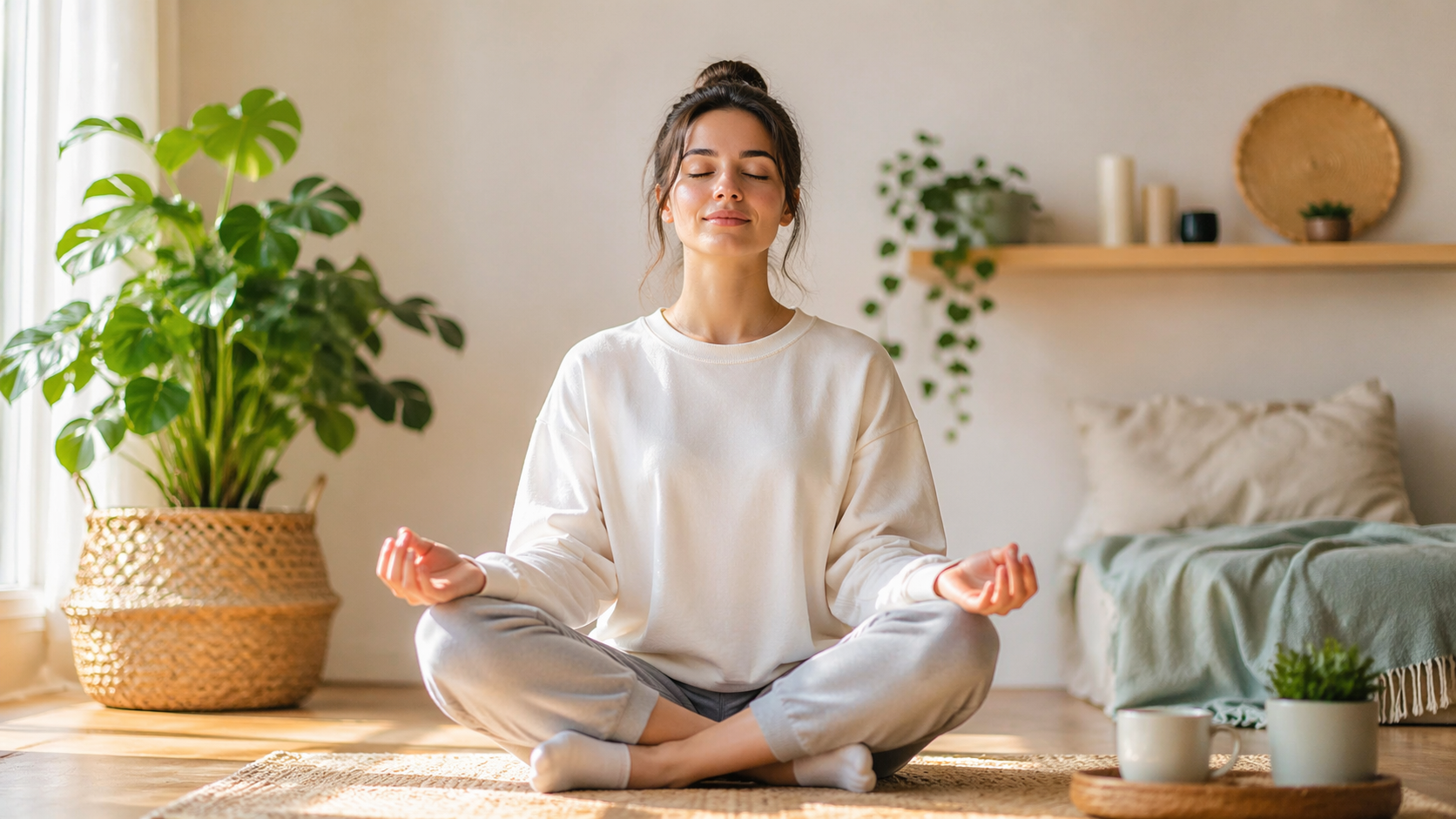
Stress builds quietly. It starts small, then grows fast. You may feel tired, distracted, or mentally overloaded. Many people search for how to reduce stress and anxiety because daily life feels heavier than before. Work pressure, relationships, and constant thinking all play a role.
However, calm is still possible. You do not need complex solutions. You need simple changes. When you understand your mind, you regain control. These stress management techniques can help you feel lighter and more focused again.
What is Stress and Anxiety and Why it Matters
Stress is your body’s natural reaction to pressure. Anxiety is the feeling of future-oriented concerns about what might happen next. Both are normal. However, when they stay too long, they affect your health and thinking patterns.Long-term stress can impact sleep, focus, and emotions.
It can even affect your body. Understanding mental health awareness helps you recognize early signs. Once you notice them, you can start using emotional regulation strategies to feel better.
Common Causes of Stress and Anxiety in Daily Life
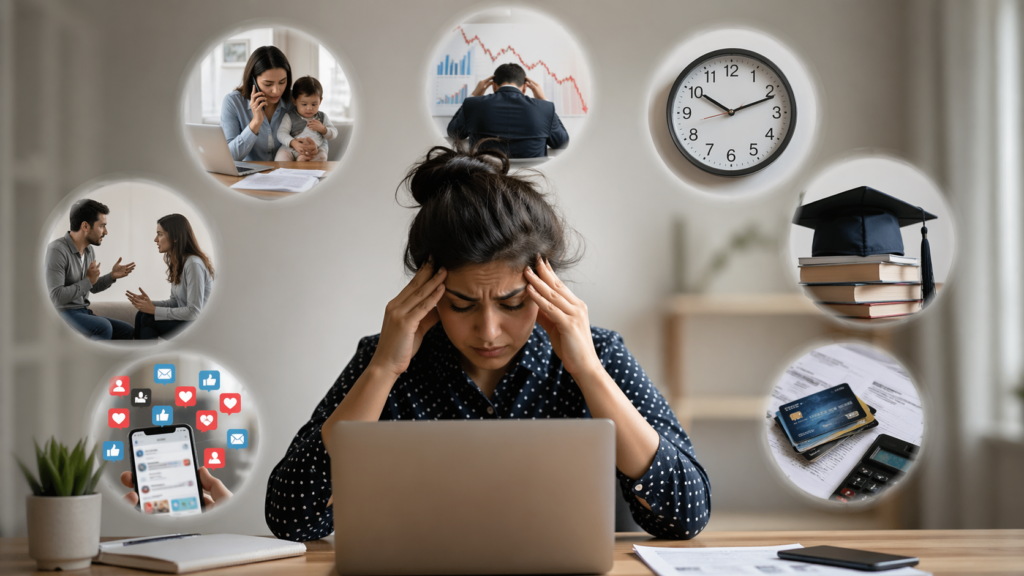
Stress often comes from everyday situations. Work deadlines, financial pressure, and relationship issues are common triggers. Even small problems can build up over time and create mental pressure.
Sometimes the cause is internal. Overthinking, fear of failure, and negative thoughts increase anxiety. These hidden triggers make it harder to relax. Learning about stress triggers and improving your emotional balance helps reduce long-term stress.
Signs and Indicators of Elevated Stress and Anxiety
Your body gives signals when stress increases. You may feel tired, restless, or easily irritated. Sleep problems and lack of focus are also common signs of stress.
Emotional symptoms include constant worry, fear, and mood swings. Physical signs may include headaches or muscle tension. Recognizing these symptoms early improves self awareness and helps you take action using mental health tips.
Simple Lifestyle Changes to Reduce Stress and Anxiety
Small daily habits can create big change. Getting enough sleep, eating balanced meals, and staying active improve your mental state. These simple steps support your overall well-being.
Consistency matters more than perfection. When you build a routine, your mind feels stable. These habits improve healthy lifestyle, support mental wellness, and naturally reduce stress without complicated methods.
| Habit | Benefit |
| sleep | Improves focus |
| Exercise | Reduces stress |
| Nutrition | Boosts energy |
The Power of Mindfulness and Relaxation Techniques
Mindfulness helps you stay in the present moment. It reduces overthinking and calms your thoughts. Many people use mindfulness to manage daily stress.
Relaxation techniques train your mind to slow down. When practiced regularly, they improve emotional control. These methods are powerful relaxation techniques and support anxiety control in daily life.
Deep Breathing Exercises
Slow breathing calms your body quickly. When you take deep breaths, your heart rate slows down. This reduces stress signals in your brain and improves focus.
Meditation and Mindfulness
Meditation helps you observe your thoughts without reacting. It creates mental space. Over time, it improves clarity and emotional strength, making it easier to handle stress.
Daily Habits That Improve Mental Health
Daily routines create stability. When your day has structure, your mind feels organized. This reduces confusion and mental pressure.
Simple habits like journaling, walking, or taking breaks help your mind reset. These small actions support mental clarity, improve daily routine, and strengthen your emotional health over time.
The Importance of Physical Activity for Stress Reli
Movement changes your mood. When your body moves, your brain releases chemicals that reduce stress. Even light activity can make a difference.
Exercise also improves sleep and energy levels. You do not need intense workouts. Simple movement supports physical health, boosts mental energy, and helps manage stress naturally.
Exercise and Mood Improvement
Regular exercise improves mood by releasing feel-good chemicals. It helps reduce anxiety and increases confidence.
Outdoor Activities and Nature
Spending time in nature calms the mind. Fresh air and sunlight reduce stress levels and improve emotional balance.
Social Support and Emotional Connection
Talking to someone helps reduce stress. Sharing your thoughts makes problems feel smaller. Human connection plays a powerful role in mental health.
Support systems create safety. Friends, family, or even community groups can help. Building social support improves emotional connection and reduces feelings of isolation.
Talking to Friends and Family
Open conversations help release stress. When you share your feelings, you feel understood and supported.
Building Support Systems
Strong relationships create emotional strength. Support systems help you stay stable during difficult times.
Healthy Ways to Cope with Stress and Anxiety
Healthy coping methods help you deal with stress effectively. Activities like reading, writing, or listening to music calm your mind.
Avoid unhealthy habits like overthinking or isolation. Instead, focus on positive actions. These coping strategies improve emotional resilience and support long-term mental health.
Common Mistakes to Avoid When Managing Stress
Ignoring stress is a common mistake. Many people think it will go away on its own. However, it often becomes stronger over time.
Another mistake is relying only on distractions. Temporary relief does not solve the problem. Awareness and action are key to improving mental stability and avoiding long-term stress issues.
When to Seek Professional Help
Sometimes stress becomes too strong to manage alone. If anxiety affects your daily life, professional help is important.
Therapists and counselors provide guidance and support. Seeking help is not weakness. It is a step toward better mental health support and long-term well-being.
Conclusion
Learning how to reduce stress and anxiety is essential for a balanced life. Stress is part of life, but it should not control you. Simple habits, awareness, and support can make a big difference.
When you focus on small daily improvements, your mind becomes stronger. Over time, you feel calmer, more focused, and in control of your life.
FAQs
How to overcome stress?
To overcome stress, focus on simple daily habits. Regular exercise, proper sleep, and talking to someone you trust can help a lot. You can also use stress management techniques like deep breathing and mindfulness. Over time, these small actions improve mental wellness and help you feel more in control.
What are 5 warning signs of stress?
Stress often shows through both body and mind. Common warning signs include constant tiredness, trouble sleeping, feeling irritated, lack of focus, and frequent headaches. These signs indicate your body is under pressure. Recognizing them early improves self awareness and helps you take action before stress increases.
What vitamins help reduce stress?
Certain vitamins support your brain and reduce stress naturally. Vitamin B complex helps with energy and mood balance. Vitamin D supports emotional health, and magnesium helps relax the body. These nutrients play an important role in mental health support and improving overall emotional balance.
How to know if stress is high?
High stress often affects your daily life. You may feel mentally overloaded, anxious, or unable to relax. Physical symptoms like a fast heartbeat, fatigue, or muscle tension may also appear. These signs show your stress level is high and you need better anxiety control and coping strategies.
What exercise release stress?
Physical movement is one of the best ways to reduce stress. Walking, stretching, yoga, and light workouts help release tension from the body. These activities improve mood and increase energy levels. Regular exercise supports physical health and works as a natural way to manage stress.