
Modern life rarely slows down. Notifications interrupt your focus, deadlines compete for attention, and responsibilities stack up before you can breathe. Over time, this constant stimulation drains your energy and clouds your thinking.
That is why a 10-minute daily routine to protect your mental wellness can make a powerful difference. Instead of waiting for burnout, you build strength through small daily habits that support stability and calm. A simple reset woven into your self-care routine can improve focus, restore balance, and protect your emotional health. When practiced consistently, these moments become part of your mental wellbeing habits and reinforce healthy patterns.
Short pauses built on proven stress management strategies help regulate your nervous system and improve clarity. By committing to intentional breaks and nurturing positive daily rituals, you give your mind the space it needs to recharge, adapt, and thrive in a demanding world.
What Are Mindful Micro-Breaks and Why Do They Matter?
Mindful micro-breaks are intentional pauses designed to calm your nervous system. They are not scrolling breaks. They are deliberate resets that restore brain chemistry balance. These breaks include simple mindfulness techniques, brief reflection, or gentle movement. They are part of a strong daily mental health routine.
When you practice micro-breaks daily, you interrupt stress cycles early. This improves stress resilience and supports mood stability. Research in workplace psychology shows short breaks increase productivity and reduce errors. Micro-break strategies also prevent decision fatigue. In simple terms, short resets protect long-term performance.
The Science Behind Micro Mental Resets
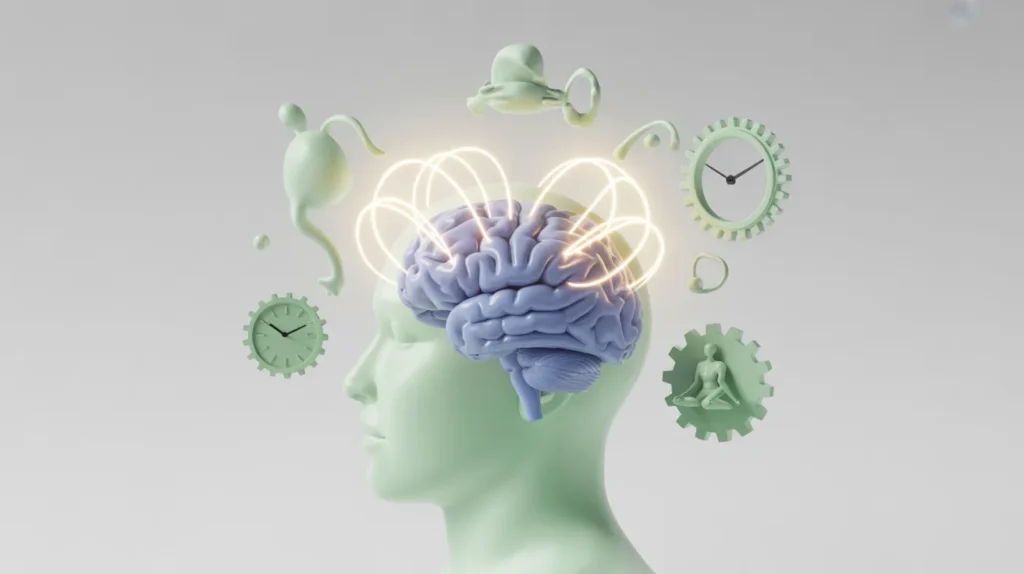
Your brain responds quickly to repeated actions. Studies in habit formation research show that small repeated behaviors reshape neural pathways. This process is called neuroplasticity. When you engage in calming activities, your body triggers cortisol reduction. Stress hormones decrease. At the same time, dopamine production and balanced serotonin levels improve mood and focus.
Below is a simplified overview of how short resets affect the brain:
| Micro Habit | Brain Effect | Long-Term Benefit |
| Breathing exercises | Lowers stress hormones | Anxiety reduction |
| Gratitude journaling habit | Boosts dopamine | Emotional balance |
| Walking meditation | Increases oxygen flow | Mental clarity |
| Body scan relaxation | Reduces tension | Stress resilience |
Over weeks, these small resets enhance behavior change patterns and reinforce positive reinforcement cycles. This is why consistency matters more than intensity.
Common Barriers to Taking Micro-Breaks (And How to Overcome Them)
Many people feel guilty stepping away from work. Hustle culture glorifies constant output. However, ignoring fatigue harms performance. Without breaks, cortisol stays elevated. This weakens emotional balance and reduces cognitive function. Guilt often blocks what your brain truly needs.
To overcome this, shift your perspective toward intentional living. Schedule breaks just like meetings. Use reminders from technology and mindfulness apps to support daily routine consistency. View micro-breaks as productivity enhancers rather than distractions. This mindset shift strengthens workplace stress reduction efforts and supports healthier focus.
A 10-Minute Mental Health Reset Routine (Step-by-Step)
A powerful reset does not require an hour. It requires structure. In the first two minutes, practice slow breathing exercises. Inhale deeply. Hold briefly. Exhale slowly. This signals safety to your nervous system. In minutes three and four, try body scan relaxation. Notice tension. Release it gently.
In minutes five through seven, step outside if possible. Sunlight exposure improves circadian rhythm and supports hydration and focus. This brief nature connection therapy improves clarity. In the final minutes, write one gratitude entry and listen to calming audio. This supports mental clarity practices and builds a steady gratitude journaling habit.
Morning Rituals That Strengthen Mental Wellness
Your morning sets the emotional tone for the day. Strong healthy morning rituals encourage mental clarity before external stress begins. Begin with water before caffeine. Support nutrition for brain health through protein and fiber. Balanced meals stabilize blood sugar and protect mood.
Morning resets can also include short affirmations. Affirmations influence self-awareness development and reinforce positive daily rituals. Research shows that consistent affirmations improve motivation and depression preventionoutcomes. When mornings feel intentional, your entire day shifts toward control rather than chaos.
Movement as Mental Medicine
Physical activity is medicine for the brain. The exercise and mood connection is well documented. Movement increases oxygen flow and enhances dopamine production. Even short walks improve emotional flexibility. This strengthens resilience building habits over time.
You do not need intense workouts. Simple stretching supports circulation. Gentle yoga enhances emotional regulation. Short walking meditation sessions combine movement and awareness. This dual approach improves mood stabilitywhile supporting healthy brain habits.
Food influences mood more than most people realize. Diet shapes brain chemistry balance daily. Omega-3 rich foods such as salmon support memory and attention. Leafy greens provide nutrients that stabilize serotonin levels. These are essential brain-boosting foods.
Below is a simplified nutrition table:

| Nutrient | Food Source | Mental Benefit |
| Omega-3 | Salmon | Mood stability |
| Magnesium | Spinach | Anxiety reduction |
| B Vitamins | Eggs | Cognitive function |
| Water | Clean hydration | Mental clarity |
Practicing mindful eating improves digestion and awareness. Balanced meals combined with hydration and focusroutines strengthen overall energy.
Workplace Micro-Break Culture and Emotional Wellness
Modern workplaces often demand constant engagement. However, sustainable productivity requires pauses. Strong work-life balance habits protect long-term performance. Micro-breaks enhance workplace emotional wellness and encourage positive workplace relationships.
Healthy workplaces also prioritize professional boundaries and strong communication skills. When leaders promote breaks, they create a supportive caregiving culture. This fosters community connection and strengthens social support systems. Research shows teams that rest strategically perform better long term.
Small Daily Habits That Build Long-Term Mental Resilience

Lasting change comes from repetition. A few consistent actions create strong neural patterns. These include gratitude, journaling, reflection, and brief meditation. These are core mental wellbeing habits that reinforce emotional wellness practices.
Adding a short digital detox routine each day improves attention span. Reducing screen exposure supports screen time management and enhances sleep quality. Over months, these actions develop strong resilience building habits that support lifelong psychological wellbeing.
Evening Reset Rituals for Deep Recovery
Evenings determine recovery quality. A consistent evening wind-down routine helps regulate your internal clock. Lower lights. Reduce noise. Begin bedtime routine optimization at least one hour before sleep. This supports a healthy sleep hygiene routine.
Reflection before bed enhances learning. Write brief notes about wins and challenges. This strengthens self-awareness development and supports emotional processing. Over time, restful nights improve stress resilience and restore mental clarity for the next day.
Conclusion
Micro Mental Resets offer a realistic path to better mental health. They require minutes, not hours. Through small daily habits, you strengthen long-term resilience. You protect your mind before stress overwhelms it.
By combining mindful breaks, balanced nutrition, movement, and structured rest, you create powerful momentum. These practices support emotional regulation, enhance cognitive function, and improve overall psychological wellbeing. The key is consistency.
Start today with one 10-minute reset. Repeat it tomorrow. Over weeks, the effect compounds. What feels small now becomes transformational later.
FAQs
What is a daily routine for mental health?
A daily routine for mental health includes short mindfulness breaks, balanced meals, light movement, gratitude reflection, and consistent sleep habits. These small actions stabilize mood, improve focus, and support long-term emotional balance.
What are 7 warning signs of stress?
Common warning signs include constant fatigue, irritability, sleep problems, headaches, lack of focus, muscle tension, and emotional overwhelm. If these signs persist, your body may be signaling the need for rest and stress management.
What is the 3 month rule of mental health?
The three-month rule suggests that consistent healthy habits practiced for ninety days can create lasting behavioral and emotional change. Repetition during this period strengthens neural pathways and supports long-term mental stability.
How to activate 100% of your brain?
The idea of using only part of your brain is a myth because you already use nearly all of it daily. However, learning new skills, exercising, sleeping well, and staying mentally active can improve overall brain performance.
What is a micro reset?
A micro reset is a short intentional pause lasting five to ten minutes designed to calm your nervous system and restore focus. It often includes breathing exercises, light movement, or reflection to quickly improve mental clarity.



[…] time, this pattern leads to burnout, making small daily recovery habits […]